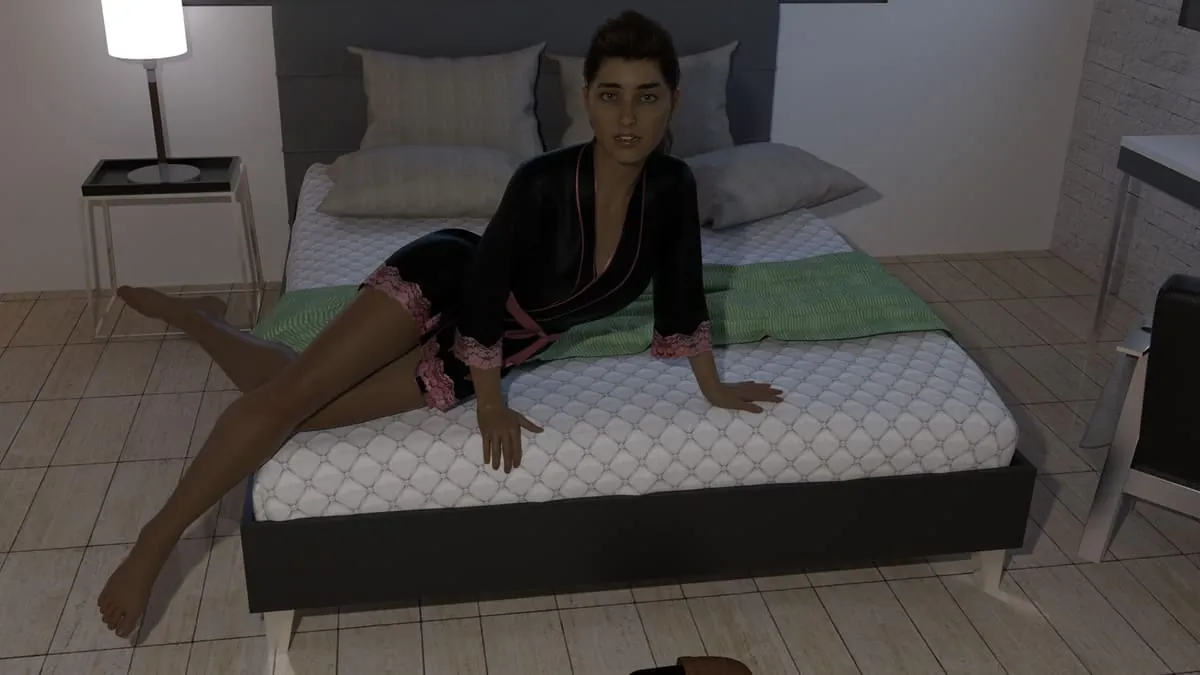
Wicked Choices: Book One
Play Wicked Choices: Book One
Wicked Choices: Book One Screenshots
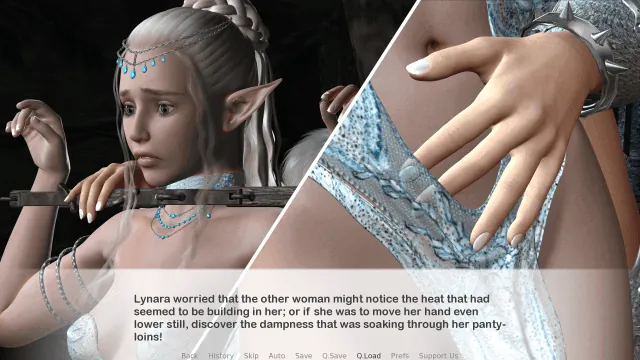
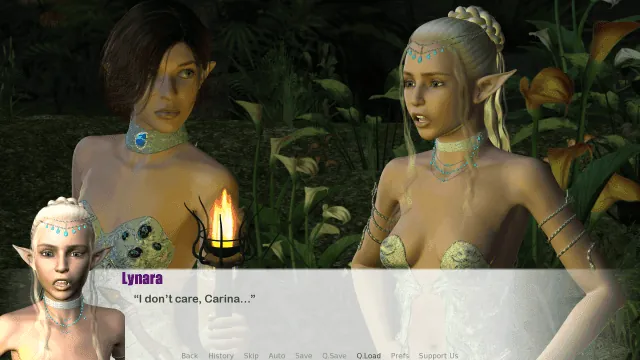
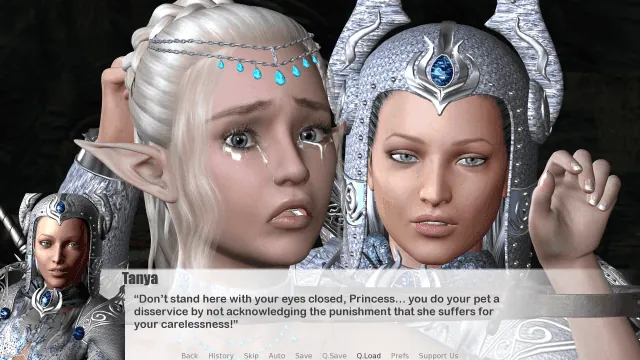
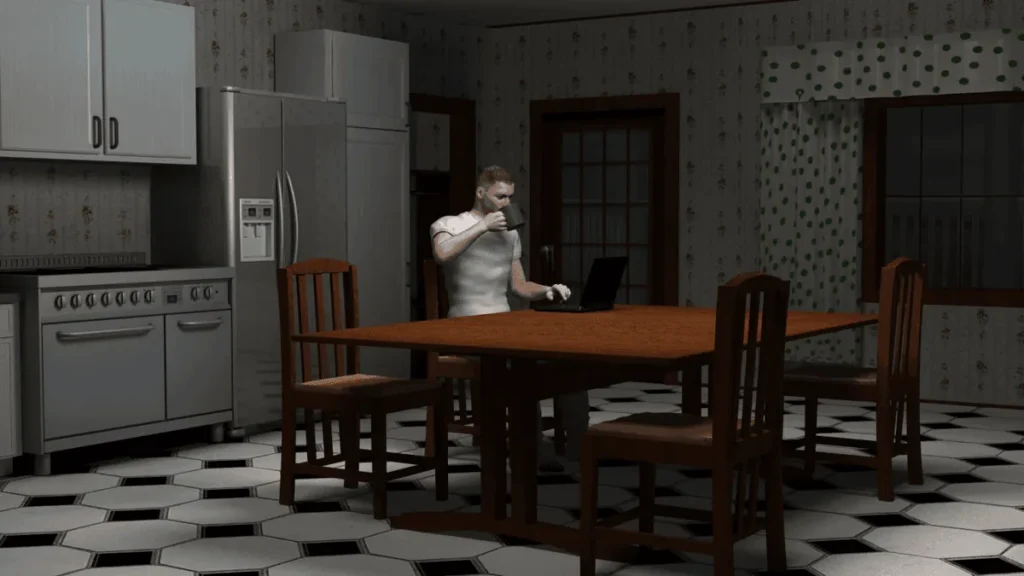
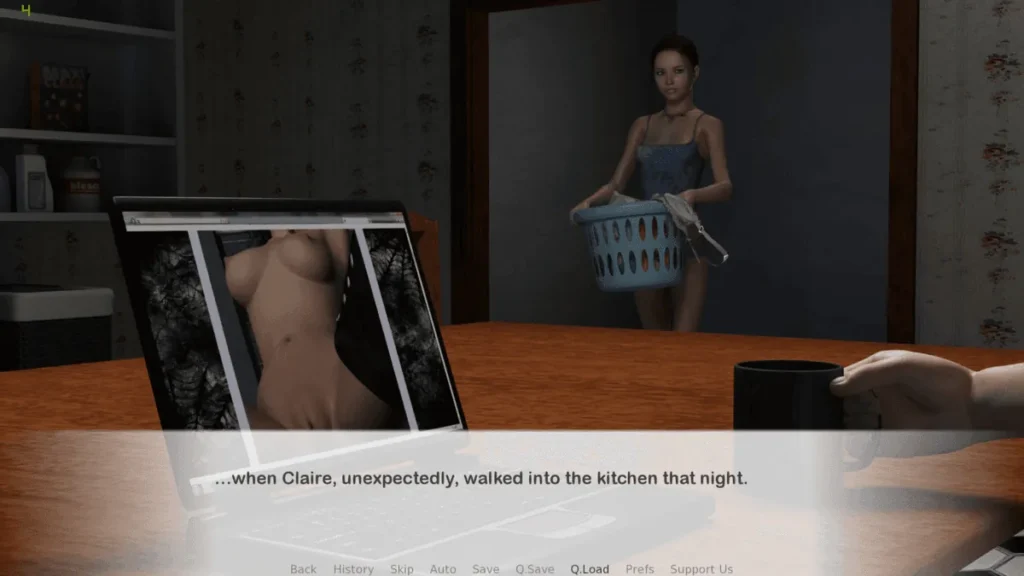

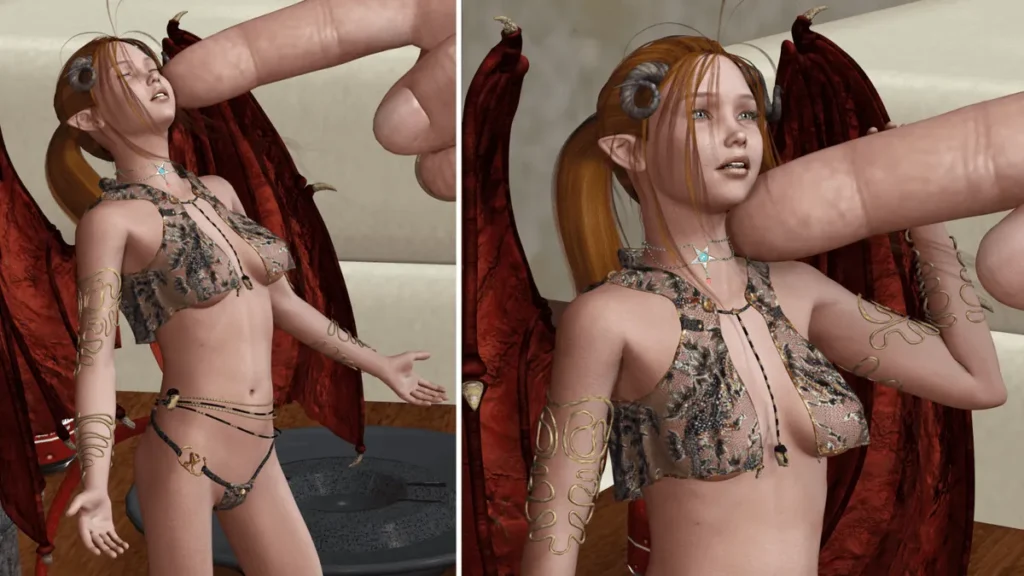
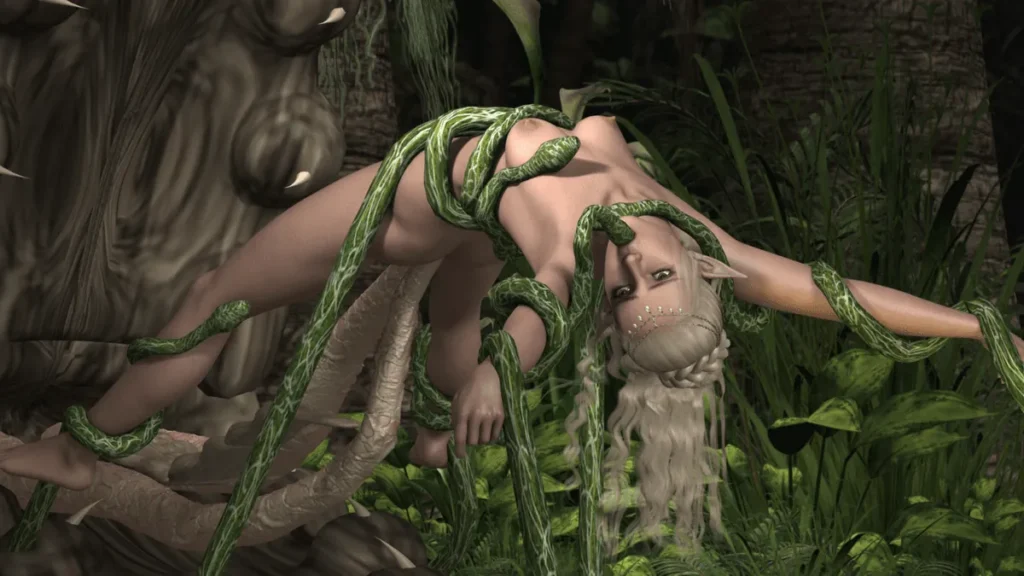
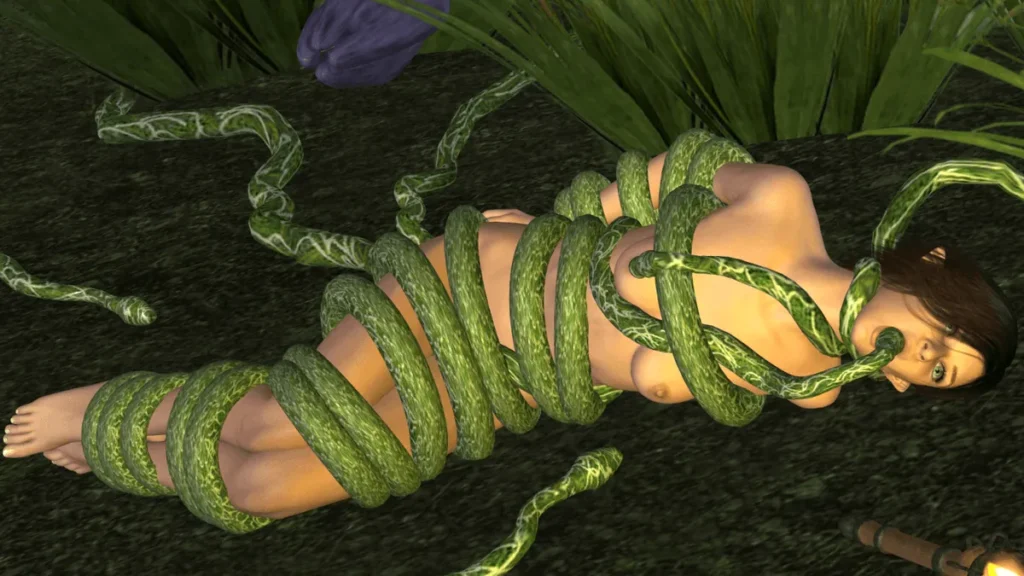
Wicked Choices: Book One review
Explore Gameplay, Story, and Tips for Wicked Choices: Book One
Wicked Choices: Book One is a captivating interactive game that invites players into a world of complex decisions and engaging storylines. This guide dives into the core aspects of Wicked Choices: Book One, offering insights into its gameplay, narrative structure, and strategies to help you navigate its intriguing choices. Whether you’re new or looking to deepen your experience, this article will provide practical advice and personal insights to enrich your journey.
Understanding Wicked Choices: Book One Gameplay
Ever feel like you’re just along for the ride in a story? 😩 In Wicked Choices: Book One, you’re not a passenger—you’re the driver, mapmaker, and sometimes, the one who crashes the car. 🚗💥 This isn’t your typical visual novel; it’s a deep, reactive world where every click holds weight. If you’ve ever wondered what it truly means for your player choices impact the tale, you’re in the right place.
Let’s break down exactly how this captivating interactive story game works, from its basic mechanics to the profound ways your decisions echo through its chapters.
### How Does the Game Work?
At its heart, Wicked Choices: Book One presents you with a compelling narrative, one scene at a time. You’ll read through beautifully crafted text, get to know a cast of complex characters, and then—bam—you hit a crossroad. ⚡ The game pauses, presents you with options, and waits. This is the core Wicked Choices gameplay loop: read, decide, and live with the results.
I remember my first major dilemma early on. My character was cornered by a suspicious guard. The game gave me three options: lie convincingly, attempt a risky bribe, or confess a partial truth hoping for mercy. My gut said to bribe him—it felt like the “power move.” Big mistake. 🙈 That single choice didn’t just change that scene; it made that guard my permanent nemesis, closing off an entire alleyway of the city as a safe route for several subsequent chapters. I learned right then that this isn’t about picking “good” or “bad.” It’s about picking your path and watching the branching narrative grow around it.
The interface is clean and intuitive, putting the focus squarely on the story. You’ll manage relationships through dialogue choices, navigate tense situations, and even solve puzzles that are woven directly into the plot. The magic is in how seamless it all feels. You’re not battling complex controls; you’re battling your own morals, desires, and strategy.
### Key Features and Mechanics
So, what sets this interactive story game apart? It’s the toolbox it gives you to shape your experience. The game mechanics Wicked Choices employs are designed for one purpose: to make your agency feel real.
- The Choice System: This is the engine. Choices appear as clear, contextual buttons. Sometimes they’re about dialogue, other times about action. Crucially, they are rarely black and white. You might choose between being courageously honest or strategically kind, with neither being objectively “correct.”
- Relationship Meters (The Hidden Pulse): While not always displayed as a visible bar, your standing with every major character is meticulously tracked. Be a loyal friend to one person, and you might unknowingly alienate their rival. I once spent an entire playthrough trying to win over the aloof scholar, Elara, with intellectual answers, only to find out she respected pragmatic, survival-focused decisions more. 🤯 Another playthrough revealed a completely different side of her.
- Inventory & Key Items: Certain decisions will grant you key items—a stolen letter, a symbol of trust, a mysterious key. These aren’t just collectibles; they unlock specific branching narrative paths later. If you don’t have the item, that path remains forever closed. It adds a delicious layer of “what if?”
- The “Echo” System: Past decisions subtly echo in later dialogue. Characters will reference your previous actions, sometimes chapters later. It creates a stunningly cohesive world that remembers who you are.
But the crown jewel of the game mechanics Wicked Choices offers is replayability Wicked Choices. Finishing the game once is just seeing one thread of a vast tapestry. You might replay to:
* See a different character’s perspective become central.
* Unlock a hidden romance or ending.
* Discover how being ruthless instead of compassionate changes the world’s state.
* Find those secret scenes and items you missed the first time.
My second playthrough felt like a totally different genre—where my first was a heroic redemption arc, my second was a gritty tale of cunning survival. That’s the power of its design.
### Player Decision Impact
This is where Wicked Choices: Book One truly shines. Your player choices impact isn’t a vague promise; it’s the law of the land. The game operates on a sophisticated web of cause and effect. Think of it not as a simple “choice A leads to ending B” chart, but as a living ecosystem. Every choice adjusts variables—trust, fear, resources, knowledge—that then influence which choices are even available to you later.
My #1 Tip: Don’t play to “win.” Play to be your character. The most rewarding outcomes often come from consistent roleplaying, not from metagaming the system.
For example, consistently choosing aggressive options might make certain characters fear you, opening up intimidating paths but forever closing off avenues of heartfelt alliance. A single act of mercy in Chapter 2 might mean an unexpected ally appears to save you in Chapter 7. The consequences are long-term, layered, and often beautifully unpredictable.
To illustrate just how deep this rabbit hole goes, here’s a look at how different approaches to one early game scenario can ripple outward:
| Scenario: The Street Urchin’s Plea | Your Possible Choice | Immediate Consequence | Long-Term Narrative Ripple |
|---|---|---|---|
| A young thief steals your coin purse. You catch them easily. | Show Mercy & Share Food | You lose some coins but gain a grateful, if skittish, contact. | The urchin, Kip, becomes a recurring informant. They provide crucial back-alley shortcuts and warnings much later, unlocking a safer path during a city-wide hunt. |
| Threaten & Take Your Coins Back | You recover your full purse. The urchin runs off, scared. | Kip holds a grudge. Later, they might spread rumors about you, making certain factions initially distrustful. You lose the informant path but may gain a reputation for being no-nonsense. | |
| Turn Them In to the Guards | You get a small “good citizen” reward. The urchin is arrested. | The local underworld marks you as an enemy of the desperate. Shady dealers refuse to do business with you. However, the city guard treats you with more respect, offering straightforward (if more expensive) services. |
See? No choice is without its trade-offs. This is the essence of how to play Wicked Choices—embracing that there is no perfect path, only your path.
To maximize your enjoyment, save before big decisions and don’t be afraid to explore! 🗺️ The replayability Wicked Choices is built on encourages experimentation. Try being the saint in one playthrough and the scoundrel in the next. You’ll be amazed at how much new content and character depth you discover. Ultimately, Wicked Choices: Book One hands you the pen and says, “Your story.” It’s up to you how wicked, how kind, or how brilliantly complicated you want to make it. 😈✨
Wicked Choices: Book One offers a rich, interactive experience where every decision shapes your unique story. By understanding its gameplay mechanics and the impact of your choices, you can fully immerse yourself in this compelling narrative adventure. Dive in, explore different paths, and enjoy the depth this game has to offer. Ready to start your journey? Play Wicked Choices: Book One and discover where your decisions lead.