
Where the Heart Is
Play Where the Heart Is
Where the Heart Is Screenshots




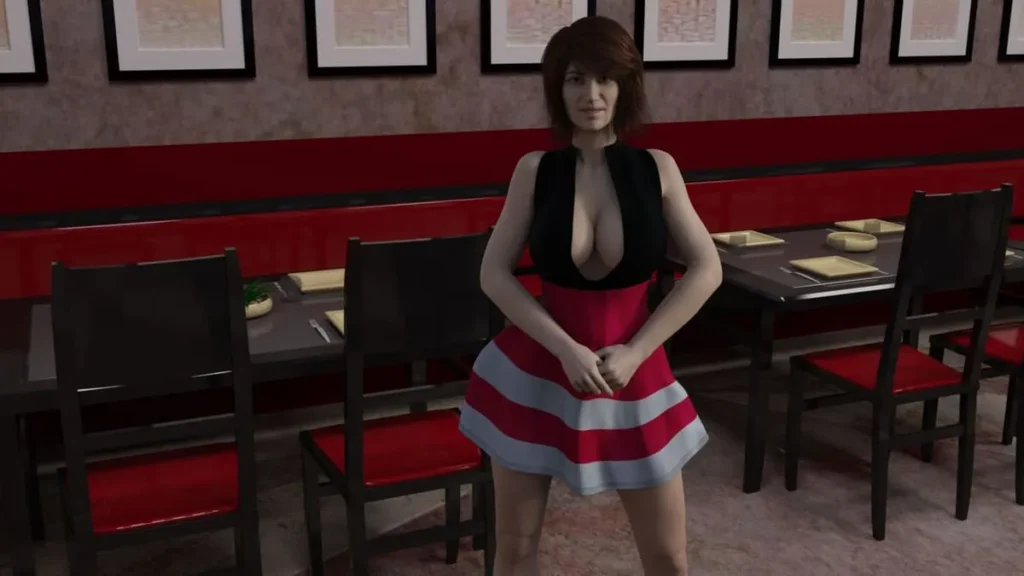
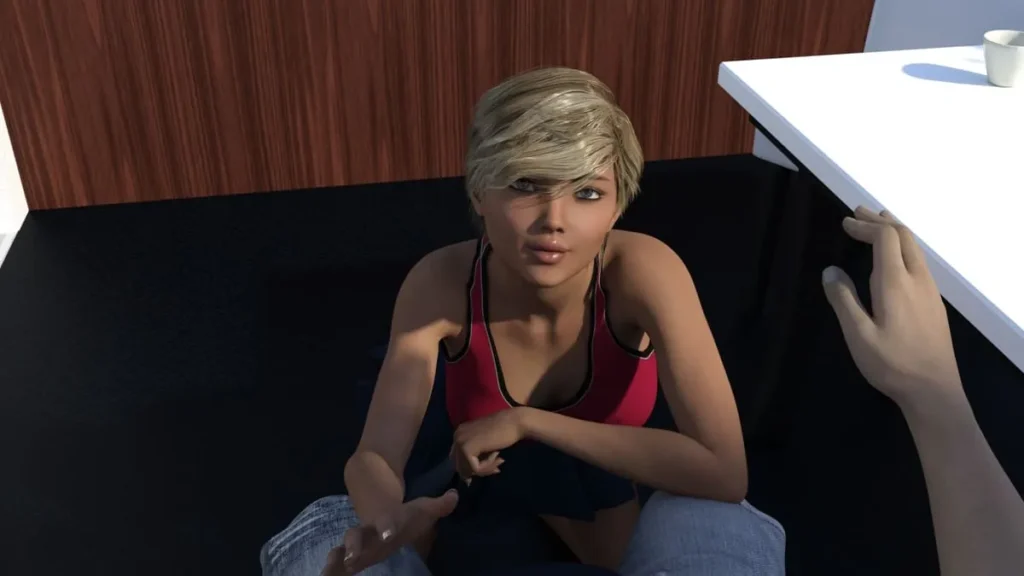



















Where the Heart Is review
Explore the immersive adult visual novel experience with choice-driven storytelling
Where the Heart Is stands out as a narrative-driven adult adventure that prioritizes player choice and character development. Built on the Ren’Py engine with full HD graphics, this first-person POV experience invites players into a compelling story centered around reconnecting with childhood friends and navigating complex relationships. The game emphasizes conversation-based and action-based decision-making, where every choice shapes your journey and determines which relationships flourish or fade. Whether you’re drawn to slow-burn romances or passionate encounters, this guide explores everything you need to know about the game’s mechanics, storyline, and what makes it a standout title in its genre.
Game Overview and Core Mechanics
Ever had that moment in a game where you make a choice and instantly regret it? 🤔 You sit there, staring at the screen, wondering if you just ruined your entire playthrough. I remember my first time playing a choice-heavy game; I picked a sarcastic reply thinking it was funny, only to watch my favorite character’s face fall and the story lurch down a path I never intended. That gut-punch feeling of consequence is exactly what Where the Heart Is masters. It’s not just about clicking through dialogue; it’s about living with the echoes of every word you say and every action you take.
This guide will pull back the curtain on the incredible machinery that makes this choice-driven adult visual novel tick. We’re diving deep into the Where the Heart Is gameplay mechanics that transform you from a passive reader into the active architect of your own story. Get ready to understand how your decisions weave a unique narrative tapestry, how relationships are earned, not given, and why this game feels so intensely personal. 🏠✨
### What Makes Where the Heart Is Unique
So, what sets this game apart in a sea of visual novels? It starts with a foundation of incredible technical polish and a relentless focus on player agency. Built on the versatile Ren’Py engine, the game leverages this platform’s strength for narrative flexibility but elevates it with stunning, full HD 1920×1080 visuals. This isn’t just about pretty pictures; the high-resolution art brings every subtle expression, every intimate glance, and every detailed environment to life, making the world feel tangible and real.
But the true magic trick is the first-person POV adventure game perspective. You don’t watch a protagonist—you are the protagonist. The camera is your eyes. When a character leans in to share a secret, it feels like they’re whispering to you. When you explore a new location, you discover its secrets firsthand. This perspective is the ultimate tool for immersion, stripping away any layer of separation between you and the story’s emotional core. It ensures that every branching narrative choice feels deeply personal, because you’re not guiding a character—you’re making decisions for yourself.
The uniqueness also lies in its mature, nuanced approach to storytelling. This isn’t a simple dating sim; it’s a life sim. Your choices span from everyday conversations and ethical dilemmas to career moves and deep emotional commitments. The game respects your intelligence, presenting dilemmas without clear “good” or “bad” answers, only choices with authentic, sometimes unpredictable, consequences. This commitment to consequence-driven storytelling means your playthrough is a true fingerprint—utterly unique to you.
### Understanding the Choice-Driven Gameplay System
At its heart, the core loop of Where the Heart Is is elegantly simple yet profoundly complex: interact, choose, and witness the consequences. The Where the Heart Is gameplay mechanics are built entirely around two pillars: conversation-based choices and action-based decisions.
Conversation is your primary tool. Nearly every interaction presents you with multiple dialogue options. These aren’t just flavored rephrasings; they carry distinct tones, intentions, and subtext. Choosing between a supportive, a flirtatious, or a logical response will steer a conversation in radically different directions. I learned this the hard way when trying to connect with the reserved artist in town. My logical, problem-solving replies shut down the conversation, while a simple, observational comment about her work opened up a heartfelt chat. The game demands you listen and think about what a character needs to hear, not just what you want to say.
Action-based decisions take the narrative reins outside of dialogue. These are the big, plot-altering moments: Do you investigate the mysterious noise at night or stay in bed? Do you spend your weekend fixing up the old community center or helping a character with a personal project? These choices often lock or unlock entire story branches, supporting characters, and locations. They define who you are in this world.
This is all powered by a sophisticated branching narrative system. Think of the story not as a straight line but as a vast, intricate tree. An early choice might prune an entire branch (a potential friendship, a location, a future career opportunity) while nourishing another. The game expertly hides its “points” system, so you’re never playing a numbers game—you’re just living the story. And here’s a pro-tip the game gives you: use the reload feature liberally. It’s not cheating; it’s encouraged experimentation! Save before a big choice, play it out, and if you’re burning with curiosity, rewind and try the other path. It’s the best way to appreciate the sheer scale of narrative crafted by the developers.
Personal Insight: My biggest “wow” moment was replaying a single chapter three times. From one pivotal decision, I experienced three completely different evenings with three different characters, each yielding unique information that changed my understanding of the overarching town mystery. The narrative density is incredible.
### Character Relationship Dynamics and Progression
This is where Where the Heart Is truly shines. The relationship progression system is a delicate, living ecosystem. Characters aren’t checklists; they are complex individuals with pasts, moods, preferences, and deal-breakers. The character romance mechanics are a masterclass in writing, requiring empathy and strategy.
First, let’s talk accessibility. The game brilliantly designs its cast so some connections form more naturally than others. The cheerful neighbor might be an open book, readily welcoming friendship. Meanwhile, the guarded bookstore owner with a troubled past will require patience, specific choices, and often, proving your trustworthiness through actions, not just words. This variance mirrors real life and adds tremendous replay value.
The romance paths themselves offer distinct emotional journeys. You can pursue quick, passionate flings that are intense but may lack staying power. Or, you can invest in a slow-burn romance, a fulfilling grind where every shared glance and earned trust feels like a major victory. These relationships often unlock deeper backstory and more meaningful, story-altering commitments.
And yes, the game features rejection mechanics. Characters have their own autonomy and preferences. If you consistently make choices that clash with their values or push too aggressively, they will shut you down—politely or otherwise. You can’t romance everyone in one playthrough, and that’s by design. It forces you to role-play authentically and makes each successful connection feel earned.
The cast is carefully balanced between primary love interests and rich supporting characters. You can actively pursue multiple relationship paths, but be warned: characters talk, and they have feelings. Pursuing everyone simultaneously can lead to drama, jealousy, or being caught in a lie, creating its own strand of compelling narrative consequences. It’s a strategic layer that asks, “What do I truly want?”
To break down the strategic heart of these dynamics, here’s a comparison of the relationship archetypes you’ll navigate:
| Relationship Type | Key Characteristics | Player Strategy Required | Common Narrative Payoff |
|---|---|---|---|
| Slow-Burn Romance | Builds gradually over time, focuses on deep emotional trust, shared vulnerability, and aligned life goals. Often involves overcoming a character’s personal barriers. | Patience, consistency, and attentive listening. Choices that demonstrate reliability and emotional support over flashy gestures. Remembering small details about their life. | Profound, story-altering partnerships, access to secret backstories, unique late-game story branches, and highly stable endings. |
| Quick Passionate Affair | Intense physical and emotional attraction that ignites quickly. High initial chemistry but potentially volatile. Focuses on immediacy and desire. | Confident, flirtatious choices. Seizing the moment and often taking social risks. High charisma but lower initial investment in long-term compatibility. | Exciting, drama-filled sequences, passionate scenes earlier in the story, and endings that may be thrilling but less settled. Can sometimes evolve into deeper bonds. |
| Rejection Paths | The direct consequence of mismatched values, persistent unwanted advances, or betraying a character’s trust. A valid narrative direction. | Often unintentional, resulting from player role-play or experimentation. Can be strategic if aiming for a specific, lonelier or antagonistic story outcome. | Closed-off story content with that character, potential negative reputational effects in the community, and unique narrative branches dealing with conflict or solitude. |
Mastering these dynamics is the key strategic element of the game. You’ll find yourself learning each character’s “language.” Does the chef appreciate practical help or verbal admiration? Does the intellectual value debate or shared curiosity? There’s no universal “right” answer, only what’s right for the person in front of you. This process of learning and adapting is the soul of the relationship progression system. It transforms interactions from guesswork into meaningful, empathetic engagement.
Ultimately, Where the Heart Is is more than a game; it’s a narrative playground built on the powerful foundation of Ren’Py engine games. It uses its first-person POV adventure game perspective to create unparalleled intimacy and then gives you the tools—the branching narrative choices, the nuanced character romance mechanics, and the consequential Where the Heart Is gameplay mechanics—to paint your own story across its canvas. Every choice is a brushstroke, every relationship a color, and the final masterpiece is a reflection of your own decisions. So, step into its world, embrace the power of your agency, and discover not just where the heart is, but where your heart will lead you. ❤️🎮
Where the Heart Is delivers a sophisticated blend of narrative depth and player agency that appeals to those seeking meaningful interactive storytelling. The game’s foundation rests on genuine character development, where your decisions genuinely matter and shape the relationships you build. From the emotionally resonant premise of reconnecting with childhood friends to the complex web of supporting characters and potential encounters, the game creates a rich world worth exploring. The Ren’Py engine’s capabilities shine through in the full HD presentation, while the conversation and action-based choice system ensures that every playthrough can feel distinctly different. Whether you’re drawn to the slow-burn emotional connections or prefer more immediate passionate encounters, the game accommodates diverse playstyles and preferences. For players who value choice-driven narratives and character-focused storytelling, Where the Heart Is stands as a compelling experience that rewards careful attention to character preferences and strategic decision-making throughout your journey.