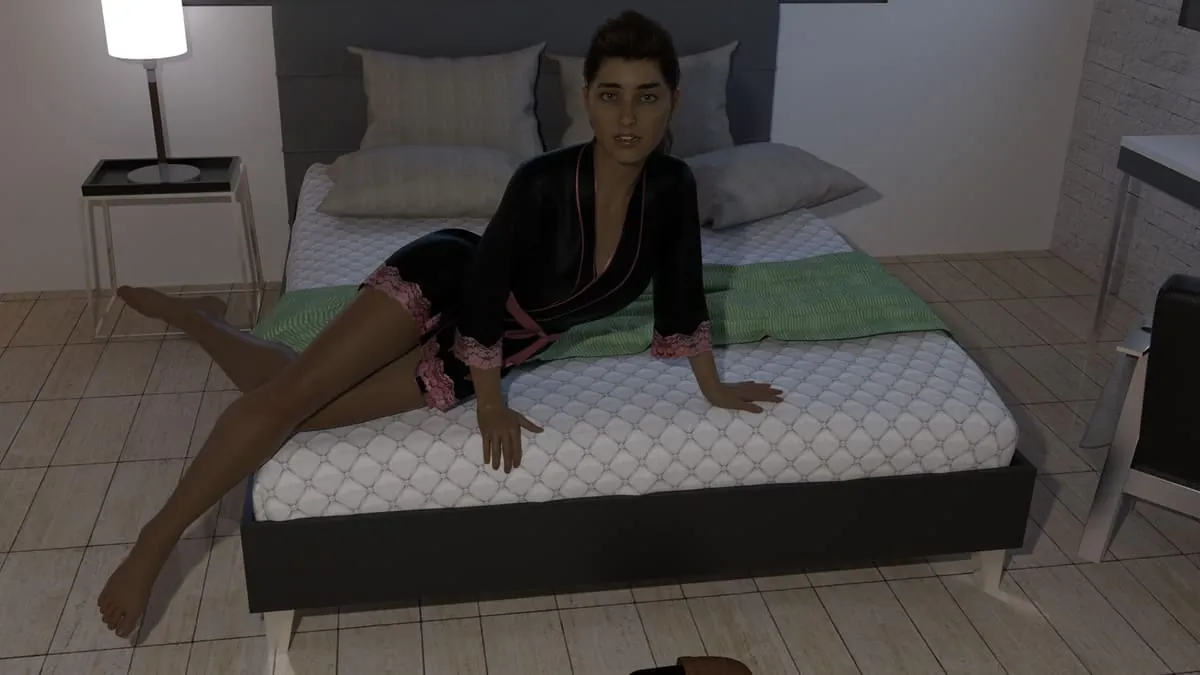
The Theater of Sinners
Play The Theater of Sinners
The Theater of Sinners Screenshots
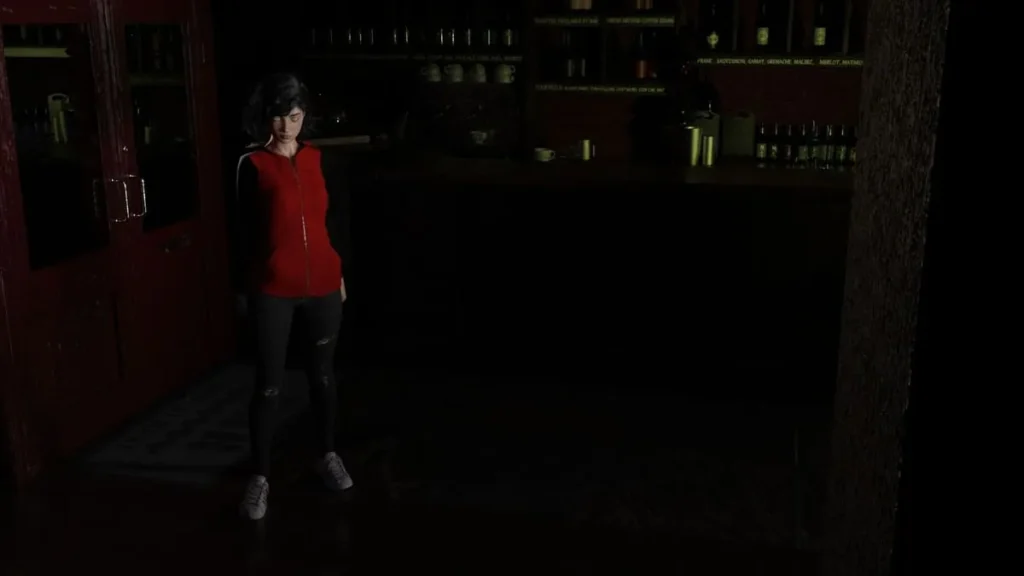
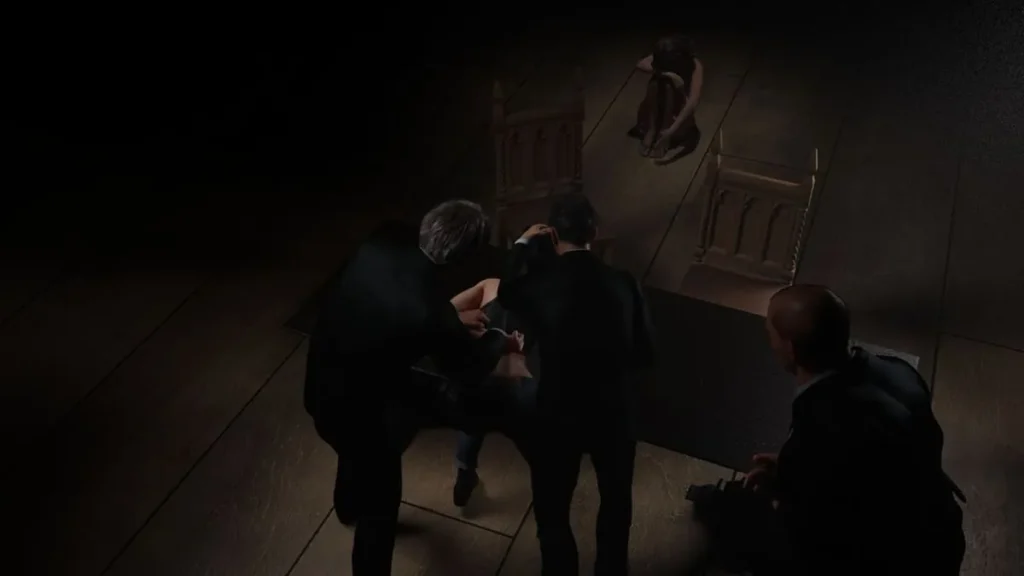
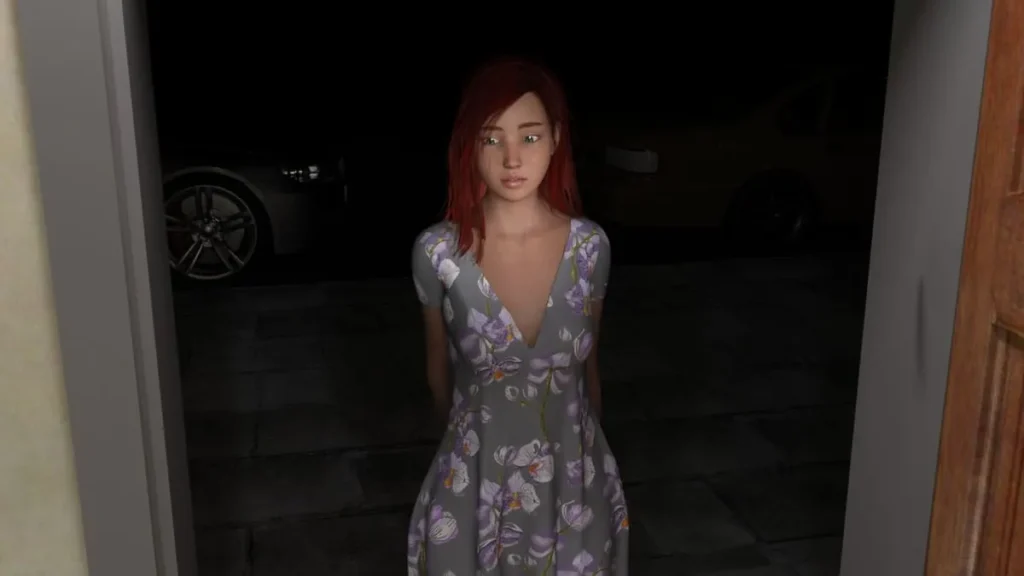



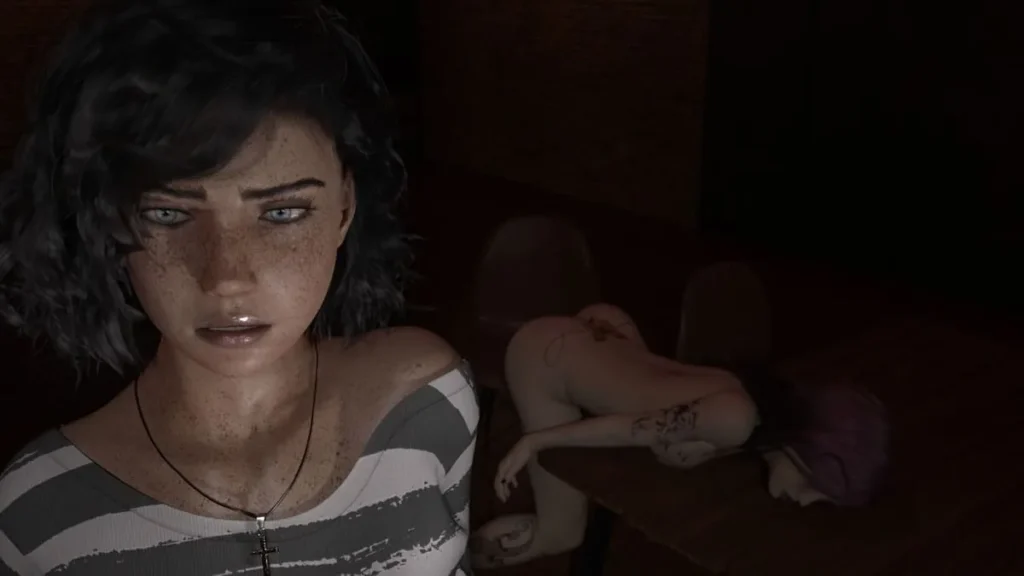








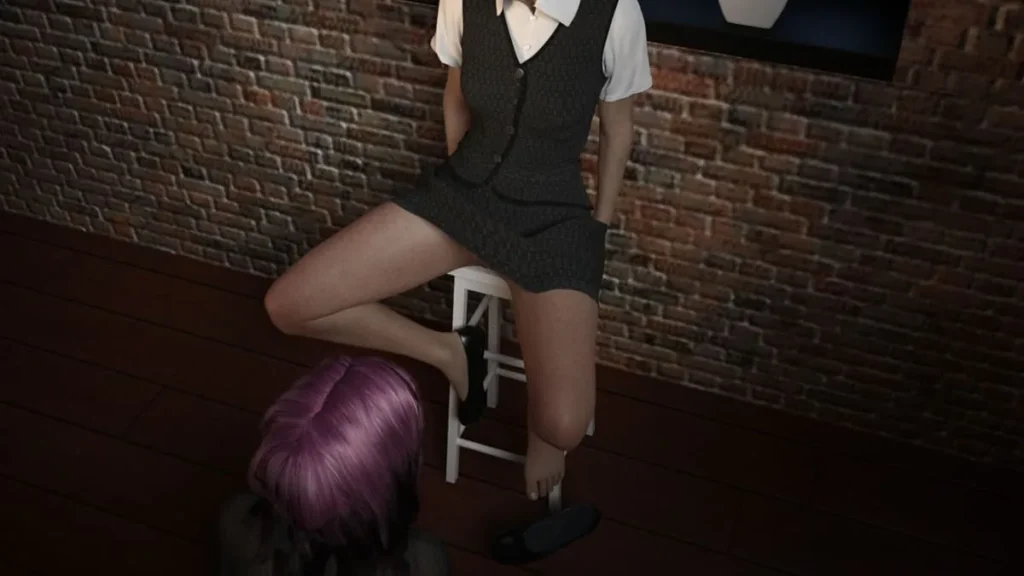

The Theater of Sinners review
Dive into the twisted tales of humiliation and choice in this gripping Ren’Py game
Imagine stumbling into the Grand Théâtre des Ombres, a shadowy realm where every choice unleashes waves of humiliation, corruption, and raw desire in The Theater of Sinners. This Ren’Py visual novel by JustXThings isn’t just a game—it’s a psychological plunge into blurred morals and brutal narratives that hooked me from the first scene. I remember my initial playthrough: guiding Paula through teen delinquents’ torments left me breathless, questioning every decision. Whether you’re chasing dark fantasies or intricate stories, this guide unpacks the Theater of Sinners game mechanics, characters, and tips to master its branching paths. Let’s step onto the stage together.
What Makes The Theater of Sinners Storyline So Addictive?
I still remember my first attempt to play The Theater of Sinners. I jumped in blind, eager for a dark story, but within minutes I was utterly lost. 😵 The game didn’t start at the beginning; it threw me into a tense, confusing scene between characters I didn’t know, charged with a history I couldn’t grasp. I fumbled through The Theater of Sinners choices, picking options at random, and quickly met a bleak, abrupt ending. I was frustrated, but also fascinated. What had I missed? This wasn’t a simple linear tale—it was a puzzle box of trauma, told through flashbacks and fragmented memories. That initial confusion is, ironically, the game’s greatest hook. It forces you to piece together the Theater of Sinners storyline yourself, making each revelation feel earned and every connection between the four protagonists a shocking discovery.
So, what is The Theater of Sinners about? At its core, it’s a raw examination of how pain is inherited and transformed. It’s a psychological horror visual novel where the monsters aren’t ghosts, but human nature—specifically, the cycles of abuse, humiliation, and the desperate, often twisted ways we seek power or solace. The true addiction comes from navigating this bleak landscape, hoping to find a sliver of light for its broken characters. Let’s pull back the curtain on what makes this narrative so compelling.
Who Are Paula and Rebecca in The Theater of Sinners?
To understand the game’s depth, you have to understand its two central pillars: Paula and Rebecca. Their stories are the twin engines of the game’s tragedy, and their paths are what most players desperately try to influence.
Paula Theater of Sinners presents a classic case of privilege corroded from within. She is the daughter of a powerful, wealthy figure, but that status makes her a target, not a shield. Entangled with a group of bullying teen delinquents, Paula’s story is one of gradual corruption and loss of innocence. She isn’t simply a victim; the game masterfully shows how the line blurs. The humiliation she endures warps into a twisted understanding of power dynamics, pulling her into a dark world of D/s relationships and self-destructive behavior. Playing Paula’s route is a tense exercise in watching a slow-motion collapse, wondering if any choice can stop the avalanche her life has become.
On the other side of the coin is Rebecca Theater of Sinners. If Paula’s hell is a gilded cage, Rebecca’s is a bare-knuckled fight for survival. Raised by an addict mother and a violently abusive step-father, her childhood was a masterclass in cruelty. The devastating irony of Rebecca’s arc is that she becomes what she once despised. To protect herself, she adopts the armor of aggression and control, replicating the cycles of pain she endured. Her story is a heartbreaking look at how abuse can shape identity, making the victim question if they are doomed to become the abuser.
These two, along with the other protagonists, form a complex web. Their stories are interleaved, meaning an action in Paula’s past might explain a grudge in Rebecca’s present. You’re not just following one Theater of Sinners storyline; you’re assembling four of them into a single, devastating picture of interconnected trauma.
- The crushing weight of guilt and whether it can be atoned for.
- Vicious cycles of humiliation passed between characters.
- Character-driven plot twists that reframe everything you thought you knew.
- The fragile, often painful, possibility of redemption.
- The exploration of power and submission as a response to trauma.
How Do Choices Shape the Harsh Outcomes?
This is where The Theater of Sinners truly becomes a moral ambiguity game. Your choices aren’t about picking “good” or “evil” dialogue options. Instead, they silently build underlying stats that push characters down irrevocable paths. It’s a system that brilliantly mirrors the game’s themes: small, seemingly insignificant decisions can accumulate into life-altering consequences.
Every key choice influences hidden meters like Submission, Assertiveness, Morality, or Despair. These stats don’t just unlock different dialogue; they determine major branching storylines leading to radically different endings—some offering a sliver of hope (milder paths), others descending into utter brutality (harsher paths). You might think you’re being kind in a moment, only to later realize you’ve increased a character’s dependence or despair, locking them into a worse outcome.
Let me share a moment that haunts me. Early in Rebecca’s story, she’s given a chance to confront a figure from her past. I chose an option that felt righteous and assertive, wanting her to stand tall. The game didn’t warn me. It simply continued. Hours later, that single decision cascaded into a scene of unexpected, shocking brutality that left me staring at the screen. I had wanted her to be strong, but the game showed me that her version of “strength” was forged in violence, and I had just armed her with justification. It was a masterclass in cause and effect.
| Choice Type | Mechanic | Potential Outcome Branch |
|---|---|---|
| Encouraging Dependency | Raises “Submission” or “Attachment” stats | May unlock events of twisted care, but can lead to a loss of autonomy and darker relationship conclusions. |
| Promoting Aggression | Boosts “Assertiveness” or “Ruthlessness” | Could lead to a powerful, confrontational path, but risks alienating allies and embracing cruelty. |
| Seeking Compromise or Kindness | Increases “Morality” or “Empathy” stats | Often opens paths to milder, more reflective endings, but these can be harder to reach and require consistent choices. |
| Succumbing to Despair | Raises “Despair” or “Corruption” | Directly unlocks the most tragic and horrific story milestones and endings. |
Practical Advice? Replay, replay, replay. Your first playthrough will be messy and likely end badly—and that’s okay. That’s the point. Use the game’s skip function to speed through known text, and make radically different choices. Pursue a specific stat to see where it leads. The Theater of Sinners choices are designed for analysis, making each replay a deeper dive into the characters’ psychology.
Unpacking the Psychological Horror Elements
The horror in The Theater of Sinners doesn’t come from jump scares. It’s a slow, creeping dread that lives in the realism of its character reactions and the unbearable weight of its themes. As one developer has noted, the focus is on a “dark story with kinks like abuse and twisted romance,” but it’s presented with a chilling authenticity that makes it resonate as psychological horror.
“We wanted to explore the darkest corners of relationships and trauma without glamorizing it. It’s about the reality of the damage, not the fantasy.”
You see this in the subtle details. The way a character’s smile doesn’t reach their eyes during a painful memory. The strained facial reactions in the artwork, where a slight tremble of the lip or a distant gaze tells more than any monologue. The dialogue is often laced with subtext—what isn’t said between Rebecca and her abusers, or the passive-aggressive control in Paula’s social circle, is where the real terror lies.
The game forces you to participate in uncomfortable power dynamics, making you complicit. You might guide a character into a humiliating situation because the alternative seems worse, or because you’re curious to see a “darker” event. This moral ambiguity is the game’s most potent horror tool. It holds up a mirror and asks, “What are you willing to explore, and why?” The horror is the realization of what both the characters and you, the player, are capable of pursuing in the name of “story.”
This relentless focus on emotional reality is why the narrative feels so gripping. You’re not watching a caricature; you’re navigating the fractured psyche of someone who has been deeply wounded. The Theater of Sinners storyline succeeds because it makes you care, then forces you to make impossible decisions with the people you’ve come to care about.
Ready to step into this theater? In the next chapter, we’ll move from the story to the stage itself: a practical guide to gameplay, tips for managing your first playthrough, and how to access the game’s most secret, branching paths. The curtain is about to rise. 🎭
The Theater of Sinners pulls you into a web of corruption, tough choices, and unforgettable characters like Paula and Rebecca that linger long after the screen fades. From my dives into its branching paths and psychological depths, it’s clear this visual novel thrives on making you confront blurred lines of desire and pain. If the allure of shaping twisted fates calls to you, download the latest 0.3 ALPHA 1 version today and craft your own dark tale. Replay, experiment with decisions, and uncover every shadowy corner—what path will you choose next?