
The Fate of Irnia
Play The Fate of Irnia
The Fate of Irnia Screenshots
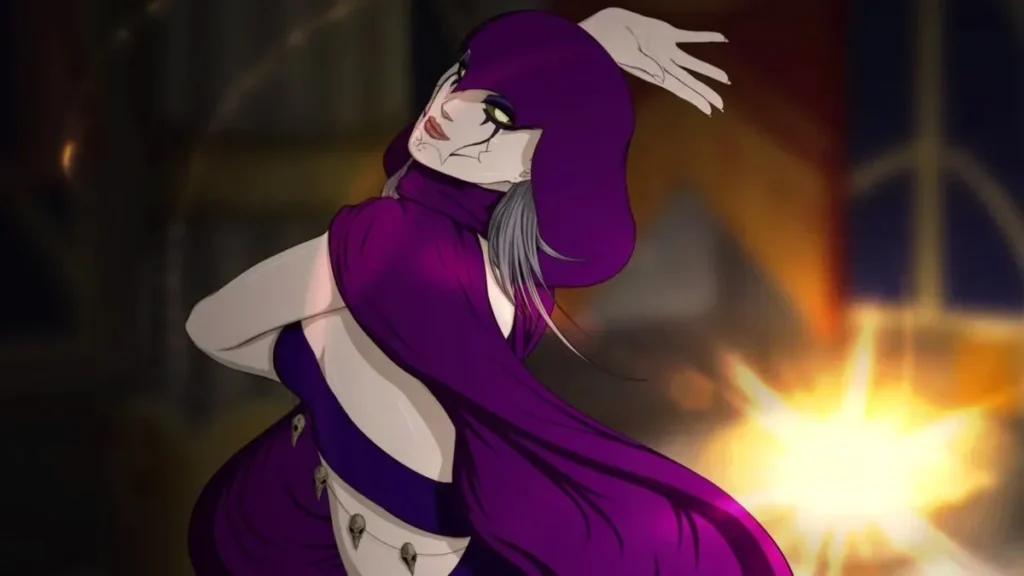
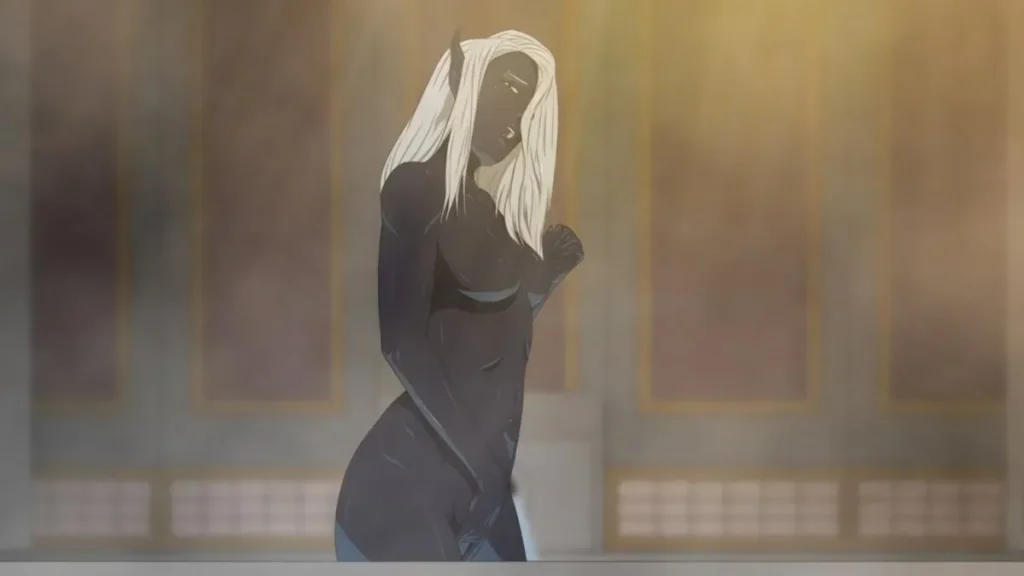
The Fate of Irnia review
Explore branching narratives, romance routes, and player choices in this fantasy visual novel
The Fate of Irnia stands out as an immersive fantasy visual novel that places player agency at the heart of its experience. Set in a kingdom threatened by cyclical orc invasions every twelve years, the game follows your journey from inheriting a mysterious magical orb on your eighteenth birthday to navigating complex relationships, moral choices, and high-stakes decisions that reshape the world around you. With its intricate branching narrative system, multiple romance routes, and meaningful consequences that persist throughout your playthrough, The Fate of Irnia delivers a unique storytelling experience where your choices genuinely matter. Whether you’re drawn to fantasy adventures, interactive narratives, or character-driven stories, this game offers substantial depth and replayability that keeps players coming back to explore untaken paths.
Understanding The Fate of Irnia: Game Mechanics and Core Features
So, you’ve downloaded The Fate of Irnia, ready to dive into a world of magic and political intrigue, only to find yourself staring at your first major decision. Do you trust the mysterious stranger, or do you heed the Captain’s warning? 😬 I remember my first playthrough. I chose based on a gut feeling, thinking it was just a bit of flavor text. Boy, was I wrong. Weeks later, that stranger was leading a revolt against me, all because of that seemingly innocuous first impression. That’s the moment I realized this wasn’t just another story—it was my story, forged by every click.
Welcome to the heart of The Fate of Irnia gameplay mechanics. This game is a masterclass in making you feel the weight of every single choice. Forget simple “good” or “evil” paths. Here, your decisions weave a complex, living tapestry where a kindness shown in Chapter 2 can become a lifeline in Chapter 7, and a harsh word can close off entire story branches forever. It’s a player choice consequences game that truly means what it says. Let’s pull back the curtain on how this incredible interactive decision system works.
How Player Choices Shape Your Journey
At its core, The Fate of Irnia operates on a simple, powerful principle: nothing is forgotten. 🧠 The game’s internal ledger is always tracking your actions, big and small. This isn’t about picking a faction alignment at the start and sticking to it. It’s about the cumulative effect of dozens of micro-decisions that define your character’s relationships, reputation, and ultimately, the fate of the kingdom itself.
The game brilliantly avoids the common pitfall of the “illusion of choice.” You will never see a dialogue option that says, “Tell the King he’s wrong (This will have major consequences).” Instead, the consequences are organic and often delayed. You might choose to spare a bandit out of mercy, only for them to reappear later—perhaps as an ally, or perhaps as the leader of a larger threat you now must face. This creates a thrilling, unpredictable narrative where you are genuinely responsible for the world you’re building.
Central to this are the character relationship mechanics. Each major character has a hidden, dynamic relationship score that is affected by your interactions. But it’s more nuanced than just “like” or “dislike.” Characters have core values—Loyalty, Honor, Pragmatism, Freedom. Agreeing with a character’s values strengthens your bond in a meaningful way. Betray those values, and they will remember, affecting their willingness to help you, share secrets, or even follow your orders in a crisis. I once lied to the steadfast knight, Valerius, to achieve a short-term goal. For the rest of that playthrough, he was professionally polite but distant, refusing a crucial duel on my behalf when I needed him most. The game had remembered my breach of his honor.
To give you a practical sense of how this web of decisions works, let’s look at a common early-game scenario and its potential ripple effects.
| Your Choice (Act 1) | Immediate Outcome | Long-Term Narrative & Relationship Consequence (Act 3+) |
|---|---|---|
| Publicly support the Merchant Guild’s tariff proposal. | Gain immediate gold bonus. Guild leader is friendly. | The common folk resent you, making recruitment harder. The Noble faction sees you as greedy. Guild may offer exclusive trade routes later. |
| Denounce the proposal as unfair to the people. | Lose gold. Guild leader is cold. | Gain popular support, unlocking unique allies from the city districts. Nobles may see you as a populist threat. Guild blocks certain resources. |
| Propose a compromised, middle-ground solution. | Small gold gain. Neither side is fully satisfied. | You’re seen as a pragmatic mediator. Unlocks special diplomatic story branches later, but hardliners on both sides may never fully trust you. |
This interconnectedness is what defines the branching narrative visual novel experience here. You’re not jumping between a few major story rails; you’re navigating a dense, interconnected forest of possibilities where every fallen log (your past choice) changes the path ahead.
The Magical Orb System and Its Role in Gameplay
Now, let’s talk about the gorgeous, glowing heart of the game’s systems: the Aetherial Orb. 🌌 This isn’t just a pretty inventory item or a simple mana bar. The magical orb game mechanic is a genius fusion of narrative device, character mirror, and strategic resource all in one.
Visually, the Orb rests at the bottom of your screen, its colors and luminosity shifting in real-time based on the emotional and magical context of the scene. In a tense political debate, it might pulse a low, anxious amber. In a moment of magical discovery, it swirls with vibrant azure and silver. This isn’t just cosmetic; it’s your first clue into the subtext of a situation.
Mechanically, the Orb represents your connection to Irnia’s fading magical ley lines. It stores “Aetherial Resonance,” a resource you spend to perform two key actions:
1. Influencing Dialogue: In crucial conversations, you can spend Resonance to “push” your intent, uncovering deeper truths or steering a character’s emotions. Think of it as applying a gentle magical nudge to the social fabric.
2. Survival & Investigation: In certain story-driven challenges—like holding a crumbling bridge with telekinesis or deciphering ancient magical text—the Orb’s energy is your tool and your timer.
Here’s a practical example from my playthrough that shows its impact on character relationship mechanics:
I was investigating a treason plot with Kaelen, a mage with a deep distrust of authority. We found a suspect who was clearly lying. I had two options: intimidate him (using no Orb energy) or use the Orb to gently sift through his surface thoughts for the truth. I chose the latter, spending a chunk of my stored Resonance. Not only did we get the correct information, but Kaelen later commented, “You used magic for insight, not dominance. I… appreciate that approach.” This single choice, mediated by the Orb, significantly improved my standing with him, unlocking new, more personal dialogue branches that were essential for his romance route. 😊
Managing your Orb is a constant strategic layer. Do you spend its energy now to gain a social advantage, or save it for a potential magical crisis later? The game even introduces a “death curse” mechanic in certain failure states. If you make a catastrophic mistake (like failing a major Orb-powered challenge), the Orb can crack, imposing a permanent debuff like “Frayed Connection,” which reduces your maximum Resonance for the rest of the game. These persistent consequences ensure that failures have weight, making every success feel earned and every risk genuinely thrilling.
Branching Narrative Architecture and Multiple Endings
This brings us to the grand payoff of all your careful choices and Orb management: the story’s conclusion. The Fate of Irnia is the very definition of a multiple endings fantasy game. We’re not talking about a “good,” “bad,” and “secret” ending. We’re talking about a spectrum of conclusions that reflect the nuanced kingdom you’ve built through dozens of hours of play. Your ending is determined by a combination of major story flags and the cumulative state of your key relationships and faction reputations.
The branching narrative visual novel structure here is less like a tree with a few large branches and more like a sprawling, overgrown hedge. Early choices don’t just open or close later chapters; they change the context of those chapters. One player might experience a battle as a heroic last stand with loyal allies. Another, who made different political choices, might experience the same narrative beat as a desperate coup attempt. The core events might be similar, but their meaning and emotional impact are completely different based on your journey.
Here’s how the game architecture supports this:
* The Faction Balance System: Your standing with the three major powers (Nobility, Commoners, Mages) is constantly tracked. The final act of the game is fundamentally shaped by which factions will support you, which will oppose you, and which have been neutralized or allied with each other through your actions.
* The Companion Loyalty Checkpoints: At several critical junctures, the game checks not just if a companion is with you, but the depth of your relationship. A high loyalty might mean they follow you into a treasonous plan. A middling loyalty might mean they leave. A low loyalty might mean they actively turn against you.
* The Orb’s Final State: The health and power of your Aetherial Orb can influence the magical resolution of the story, offering endings that deal with restoring, controlling, or even sacrificing the world’s magic.
To see your own unique ending, you must engage fully with the interactive decision system. There is no “golden path” that maxes out everything. Supporting the mages to gain magical power will alienate the anti-magic nobility. Pursuing a romance with one character might lock you out of another’s deepest questlines. This is what creates such incredible replay value. My first ending saw me become a pragmatic but lonely ruler, having secured the throne through clever alliances but at the cost of true friendship. On my next playthrough, driven by idealism and loyalty to my companions, I forged a council of equals—a completely different, and personally more satisfying, conclusion.
Ultimately, The Fate of Irnia gameplay mechanics are designed to do one thing: make your journey feel uniquely and authentically yours. Every choice, from how you use your magical Orb to how you speak to a grieving guard, is a brushstroke on a massive canvas. The game respects your intelligence and your agency, offering a player choice consequences game where the consequences are profound, often surprising, and always meaningful. So go ahead—save often, maybe even keep a journal. Your first playthrough is a special, unrepeatable story. What will the fate of Irnia be in your hands? ✨
The Fate of Irnia delivers a compelling fantasy experience that successfully merges adventure, romance, and meaningful player agency into a cohesive whole. Through its richly detailed world, multiple romance routes, and intricate branching narrative system, the game offers substantial depth for players seeking immersive storytelling where their decisions genuinely matter. The relationship mechanics create authentic investment in character development, while the decision-driven gameplay ensures that each playthrough feels unique and personal. Whether you’re navigating tense council meetings, exploring forgotten ruins, or facing down orc scouts, you’re not just reading about Irnia’s fate—you’re actively writing it. With its commitment to high-stakes consequences, atmospheric supernatural elements, and the freedom to pursue vastly different narrative paths, The Fate of Irnia stands as a testament to what interactive storytelling can achieve. If you’re drawn to fantasy worlds where your choices reshape the narrative landscape, this game offers an experience worth exploring multiple times to uncover all its secrets and possibilities.