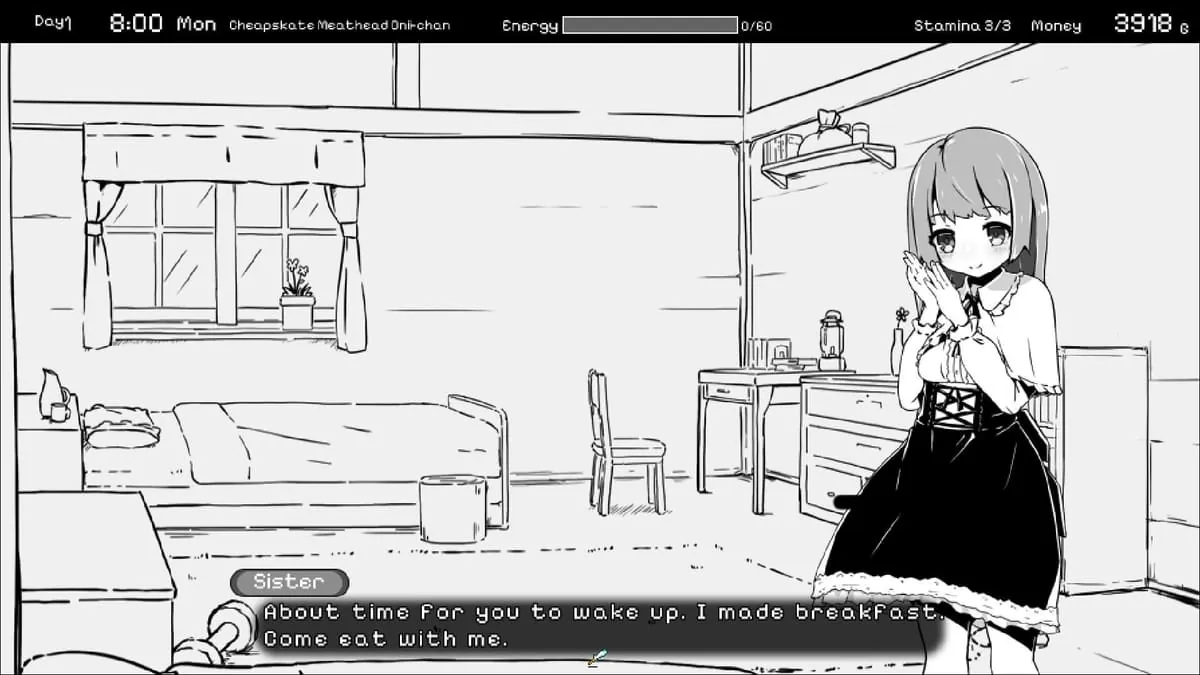
Living With Sister: Monochrome Fantasy Screenshots
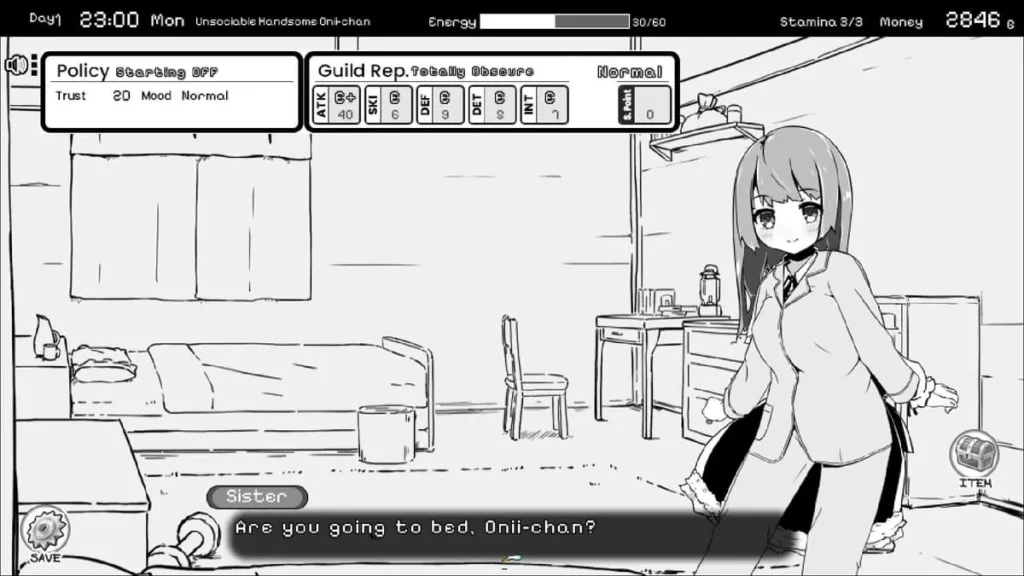


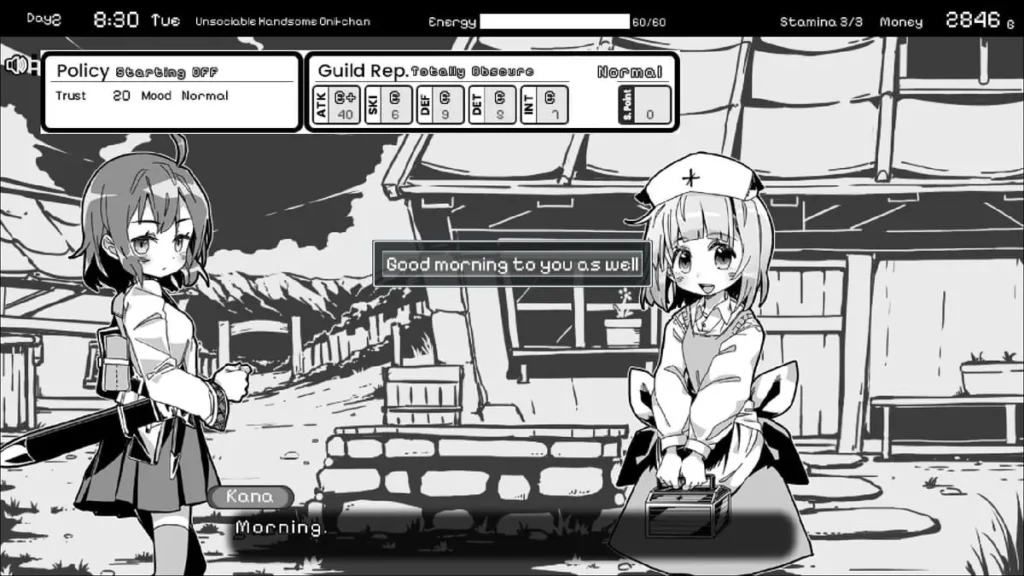
Living With Sister: Monochrome Fantasy review
Complete Walkthrough, Gameplay Mechanics, and Strategy Tips
Living With Sister: Monochrome Fantasy is a unique simulation and raising game that blends time management, adventure guild mechanics, and character relationship building. Players take on the role of a protagonist tasked with caring for their sickly sister while managing an adventurer’s guild and pursuing their dream of becoming an adventurer. This comprehensive guide explores the game’s core mechanics, character relationships, strategic gameplay elements, and what makes this indie title stand out in the simulation genre. Whether you’re new to the game or looking to optimize your playthrough, this guide covers everything you need to know about Living With Sister: Monochrome Fantasy.
Understanding Living With Sister: Monochrome Fantasy Core Gameplay
If you’ve ever played a game like Persona and thought, “I love managing my time and stats, but I wish it involved more… sibling bonding and guild management,” then buckle up. Living With Sister: Monochrome Fantasy is the fascinating, layered time management simulation game you didn’t know you needed. It masterfully blends raising sim elements with strategic daily planning and tense, high-stakes battles. My first playthrough was a disaster—I ran out of money, lost a crucial guild fight, and my sister barely wanted to talk to me! 😅 But that’s the beauty of it. Learning its intricate systems is a rewarding puzzle. This guide will break down the core Living With Sister Monochrome Fantasy gameplay loop, so you can thrive, not just survive.
What is Living With Sister: Monochrome Fantasy and How Does It Play?
At its heart, Living With Sister: Monochrome Fantasy is a time management simulation game fused with relationship raising mechanics and light RPG elements. You play as a young man living with his sister in a melancholic, monochrome world, tasked with rebuilding your life and strengthening your bond. The core loop is deceptively simple: each day, you have a limited amount of Action Points (AP) to spend on activities that earn money, build your stats, and progress the story. However, looming over this peaceful routine are the mandatory guild battle mechanics, which act as skill checks that can end your game if you’re unprepared.
Think of it as two games in one. 🎮 On one side, you have the calm, methodical daily life sim: working part-time jobs, training at the guild, shopping in town, and chatting with your sister at night. On the other side, you have the tense preparation for the next guild battle, where your stat building and progression directly determines your survival. This creates a constant, engaging push-and-pull. Do you spend your afternoon earning cash for better gear, or training to increase your combat stats? Do you use the evening to recover your energy or to deepen your relationship with your sister? Every choice matters, making the Living With Sister Monochrome Fantasy gameplay deeply personal and strategic.
Daily Time Management and Activity System
The sun rises on another day in your monochrome world, and with it comes your most precious resource: Action Points (AP). Your entire day is built around managing this AP alongside other vital stats like Energy and Lust. This daily activity system is the engine of the game, and mastering it is the key to every success.
Your day is split into clear segments: Morning, Afternoon, Evening, and Night. Each activity consumes AP and sometimes Energy, while providing rewards like gold, stat increases, or relationship points. Planning your week is crucial. Weekdays are typically for guild work (quests and training), while weekends open up for special activities like visiting the town market or going on an adventure to the World Tree with your sister.
Here’s a breakdown of a typical daily structure and the impacts of your choices:
| Time Block | Primary Activities | Key Stats & Rewards Affected |
|---|---|---|
| Morning | Guild Quests, Training, Part-Time Job | AP, Energy, Gold, Strength/Defense, Quest Progress |
| Afternoon | Continued Guild Work, Town Visit (Supplies), House Cleaning | AP, Energy, Gold, Mood (Sister), Household Items |
| Evening | Alchemy (Item Use), Resting, Optional Training | Energy, Lust, Trust, Various Stats via Items |
| Night | Interaction with Sister, Sleep | Trust, Mood, Lust, Energy Recovery |
The Alchemy Tab (your item menu) is your best friend in the evening. It’s where you use books to gain permanent stat boosts, consumables to restore AP or Energy, and gifts for your sister. Never let items pile up—use them strategically to boost your stat building and progression before a big battle or a key story event!
A quick personal tip: I cannot overstate the importance of buying the Feathered Bed from the town shop as soon as you can afford it. ✨ This upgrade dramatically improves your Energy recovery each night, meaning you can take on more AP-intensive activities during the day without collapsing. It’s the single best early-game investment for smoothing out your daily activity system management.
Guild Battles, Quests, and Progression Mechanics
This is where the peaceful life sim meets high-stakes conflict. The guild battle mechanics are your primary progression gate. Every few in-game days, you will be forced to participate in a battle at the guild. Lose, and it’s an immediate game over. This threat makes every daily activity system choice feel meaningful.
Your Day Job: Quests and Training
During mornings and afternoons, the guild is your workplace. Here, you’ll take on quests for rewards and training. Quests are your main source of income (Gold) and often provide items or small stat boosts. Training, on the other hand, directly increases your combat stats like Strength and Defense. Balancing these is key. You need gold from quests to buy better weapons, armor, and healing items for the upcoming battle. But you also need the raw stats from training to stand a chance. The quest rewards and training cycle is the core of your stat building and progression.
The Battle Itself
The battles themselves are straightforward stat checks. Your performance is determined by your equipment and the stats you’ve built up through training. There’s no direct, real-time control. This design brilliantly ties the outcome directly back to your time management. If you neglected your training for a week to just make money, you’ll get crushed. If you trained hard but have no gold for a good sword, you’ll struggle. It perfectly marries the Living With Sister Monochrome Fantasy gameplay of both simulation and RPG.
Weekend Warriors and Story Beats
Weekends pause the guild grind. Use this time for:
* Town Visits: Buy supplies, gear, and household items. The Feathered Bed is here!
* Adventures: You can take your sister to the World Tree. A word of caution—completing this adventure too early can lock you out of certain slice-of-life story beats. I made this mistake! It’s often better to delay this until you’ve built up your relationship more.
* House Cleaning: This can improve your sister’s Mood, a hidden but important stat for relationship raising mechanics.
Nighttime: The Heart of the Game
The night interactions are where the “Living With” part truly shines. After your sister returns from her own job, you can talk to her. These conversations are how you build Trust, the foundation of your relationship. Your choices here, and the gifts you give (via the Alchemy tab), slowly increase both your Lust and your sister’s Lust. Reaching certain thresholds (like 70 for you and 50 for her) unlocks new, more intimate conversation options and story paths, deepening the game’s relationship raising mechanics. It’s a slow, consensual burn that requires attentive daily investment.
- Essential Tips for New Players:
- Priority Purchase: Save for the Feathered Bed immediately. The energy boost is game-changing.
- Use Your Items: Don’t hoard books or stat-boosting consumables. Use them in the Evening via the Alchemy tab to permanently strengthen your character for upcoming battles.
- Balance Your Week: Dedicate weekdays to guild work (mix quests for gold with training for stats). Use weekends for town runs and sister adventures.
- Don’t Rush the Tree: Hold off on completing the World Tree adventure until you’ve had many nightly talks and raised your Trust level significantly to avoid missing content.
- Prepare for Battle: Before a guild fight, ensure your gear is the best you can afford and consider using temporary stat-boosting items from your inventory.
Mastering the Living With Sister Monochrome Fantasy gameplay is about seeing the connections. Every chat at night builds Trust, which can improve Mood, making daily life smoother. Every gold piece earned from a quest can buy a better sword for the guild battle mechanics. Every training session fuels your stat building and progression. It’s a deeply interconnected, satisfying system where your careful planning across all aspects of life—financial, physical, and emotional—is what ultimately leads to a successful and fulfilling journey in this beautifully bleak world.
Living With Sister: Monochrome Fantasy offers a compelling blend of simulation gameplay, character relationship building, and strategic decision-making that appeals to fans of raising games and slice-of-life narratives. From mastering the daily time management system to developing meaningful relationships with characters and discovering multiple story endings, the game rewards both careful planning and experimental playthroughs. The art quality, engaging character personalities, and surprising depth of the gameplay loop create an experience that feels more substantial than its initial premise suggests. Whether you’re drawn to the strategic guild management aspects, the emotional character development, or the satisfaction of discovering hidden content, this indie title delivers substantial value. Start your adventure with the foundational strategies outlined in this guide, embrace the learning curve through multiple playthroughs, and enjoy the journey of caring for your sister while pursuing your adventurer’s dreams. The game’s replayability and New Game+ bonuses ensure that each playthrough brings new discoveries and deeper engagement with the world and characters.