
Inner Growth
Play Inner Growth
Inner Growth Screenshots
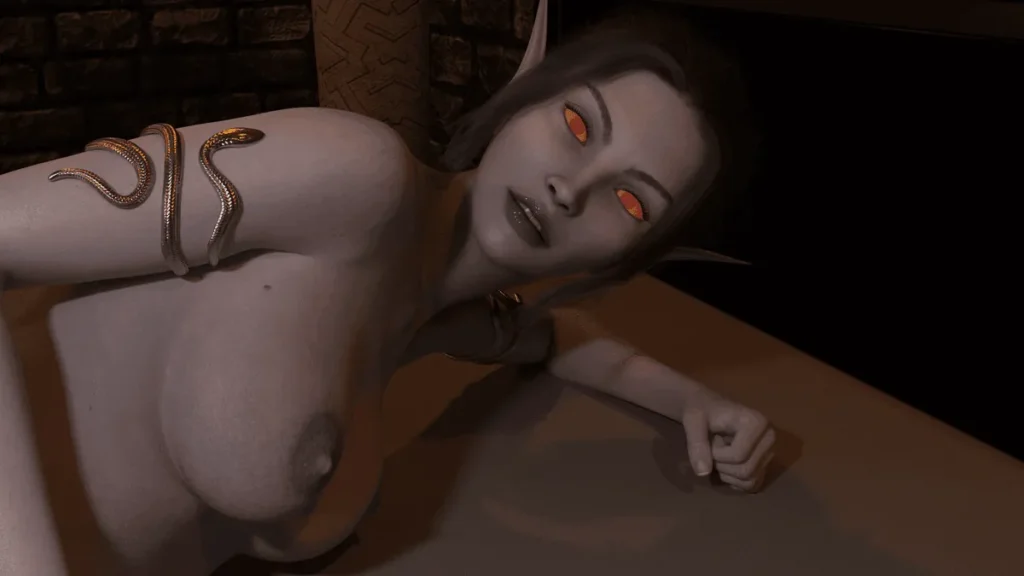





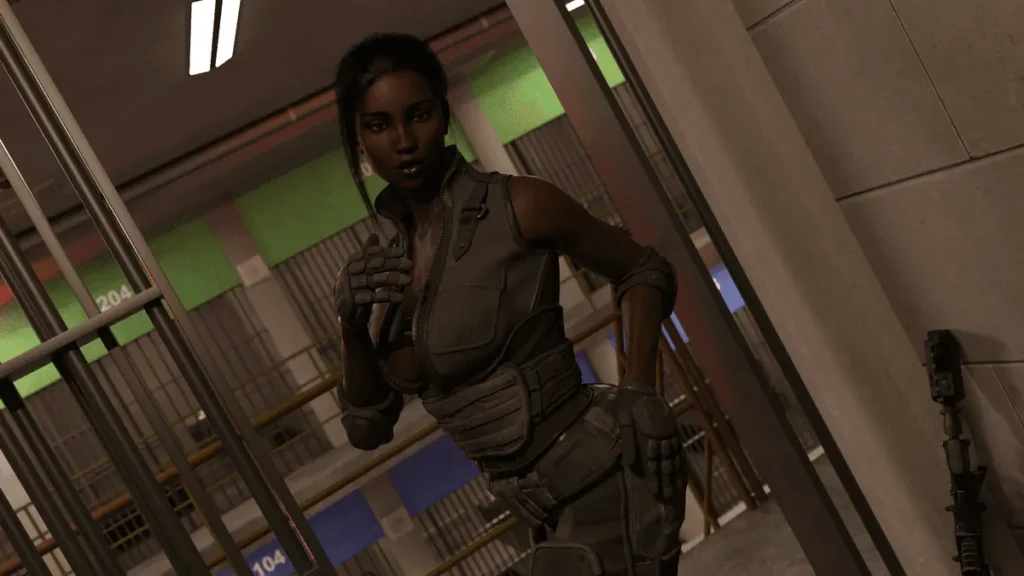


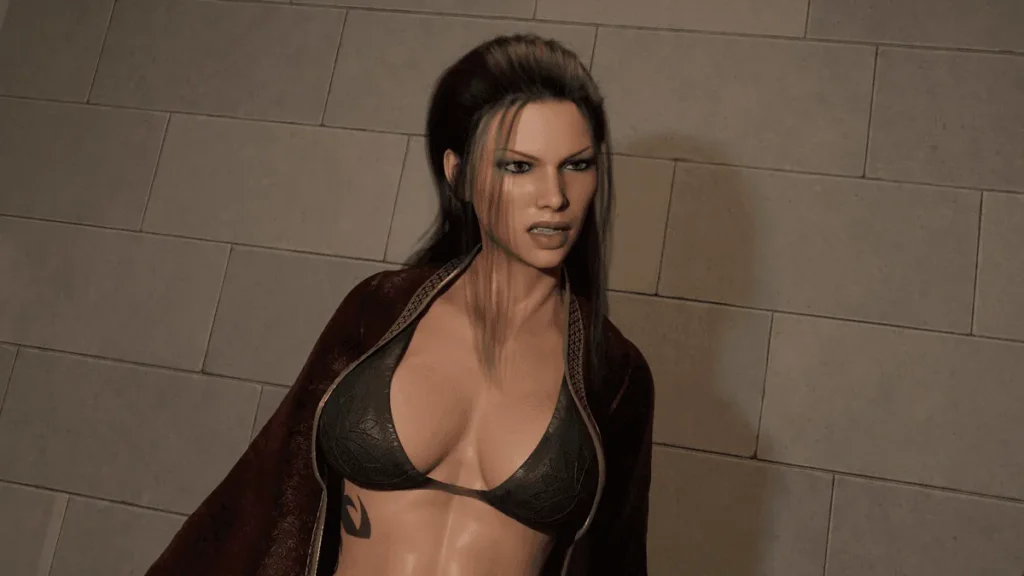


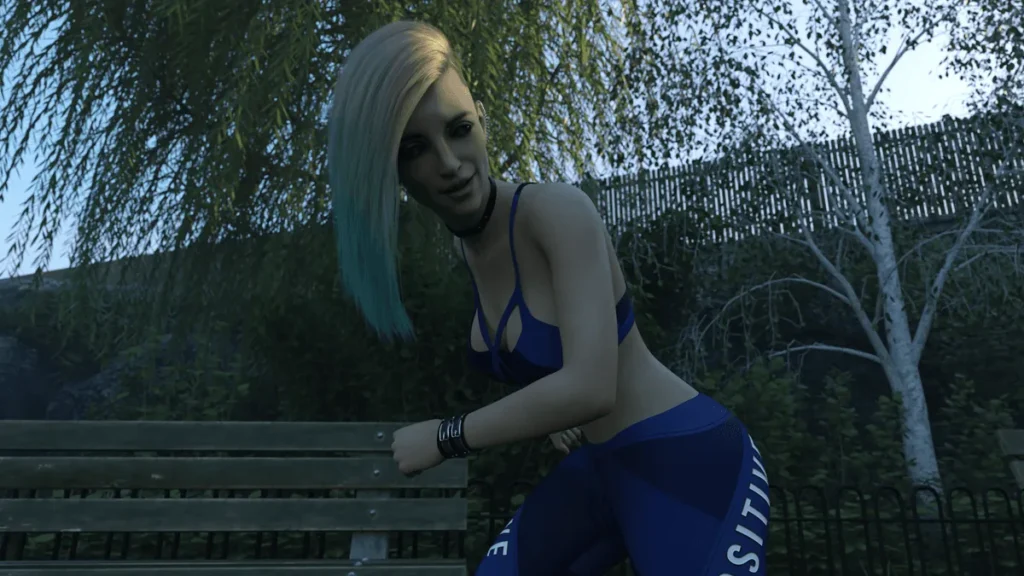
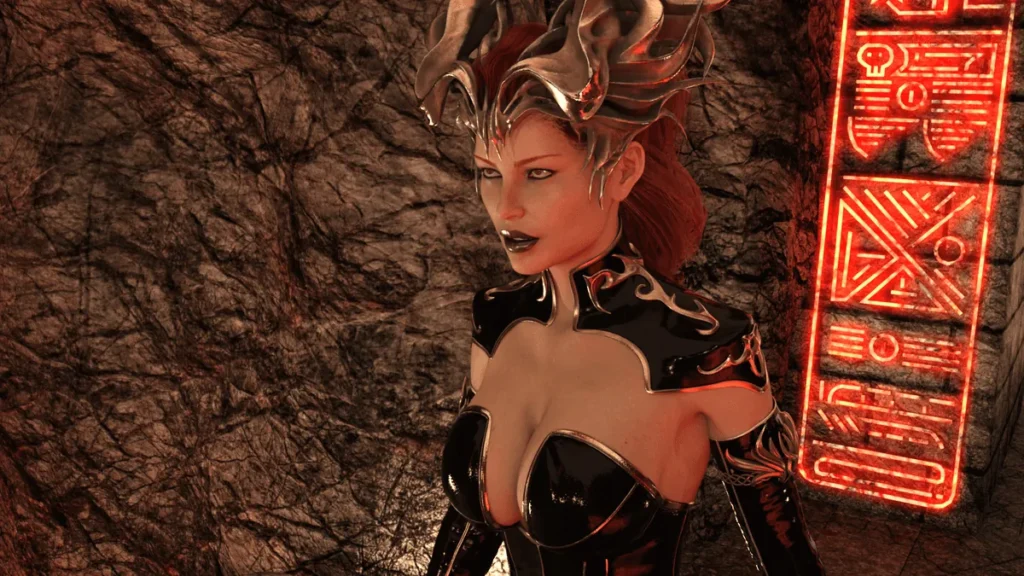
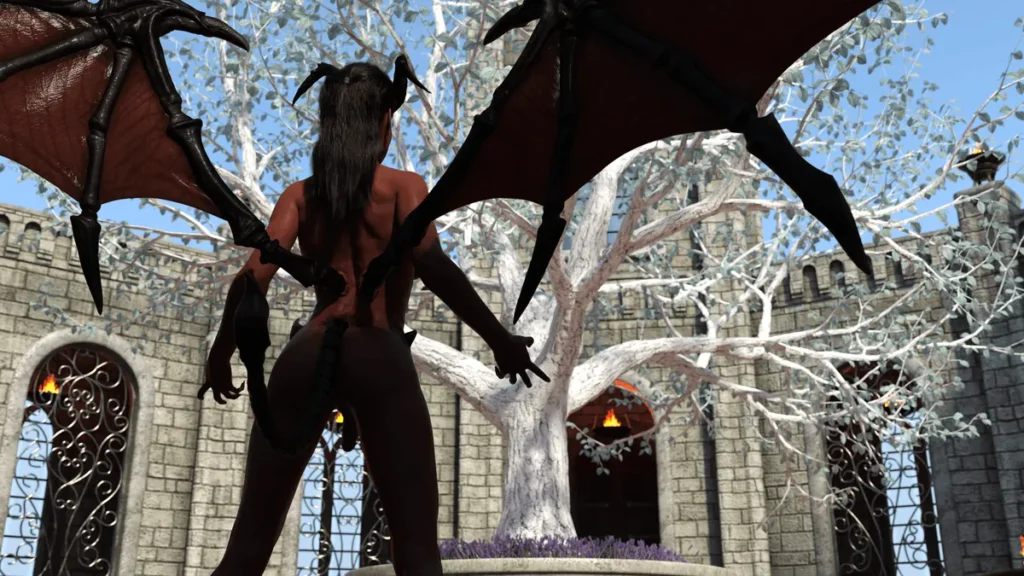

Inner Growth review
Explore how choice-based mechanics shape relationships and personal evolution in this fantasy visual novel
Inner Growth stands out as a narrative-driven visual novel that redefines adult gaming by embedding psychological development within its core mechanics. Developed by Morally Purple, this decision-based game follows Thalna, a protagonist forced to transition from the underworld to the human realm, where every choice carries significant consequences. Unlike traditional games that prioritize linear storytelling, Inner Growth emphasizes player agency, allowing your decisions to shape relationships, character development, and multiple branching storylines. The game demonstrates that meaningful storytelling and adult content can coexist, creating an experiential journey of personal evolution rather than a simple linear narrative.
Understanding Inner Growth’s Narrative Foundation and World-Building
Have you ever played a game where your choices felt… cheap? 🤔 Like you were just picking dialogue options to unlock the next cutscene, with no real weight behind them? I know I have, and it always leaves me feeling disconnected from the story. That’s why discovering Inner Growth was such a revelation. This isn’t just another fantasy tale; it’s a narrative-driven visual novel that puts the power of the story squarely in your hands, making every decision pulse with consequence.
At its heart, Inner Growth is a masterclass in emotional storytelling in games. It asks a profound question: who do you become when everything you know is stripped away? The game answers this not through lengthy exposition, but through a delicate, decision-based game storyline that makes you an active participant in the protagonist’s metamorphosis. You don’t just watch her change—you guide, influence, and sometimes hinder her growth with every choice you make.
The Protagonist’s Journey: From Underworld to Human Realm
Our story begins not in a sun-drenched meadow, but in the stark, shadowed halls of the underworld. 🏛️ This is the only home Thalna has ever known. She’s not a chosen hero or a lost princess in the traditional sense; she’s a figure shaped by a realm of order, legacy, and solemn duty. Her identity is intertwined with this place, making her eventual exile not just a physical relocation, but a complete unraveling of self.
The catalyst for this protagonist journey underworld to human realm is a sudden, unforeseen upheaval—a cosmic event that shatters the boundaries between worlds. Thalna is violently untethered from her domain and thrust into the vibrant, chaotic, and overwhelming human realm. Imagine the disorientation! One moment you’re in a world of predictable rules and ancient hierarchies, the next you’re bombarded with sunlight, unpredictable emotions, and the messy, beautiful chaos of human life. 🌍 This isn’t a quest she chose; it’s a sentence she must survive.
This forced transition is the ultimate narrative engine for character development through choices. Every interaction in the human world is a mirror held up to her underworld upbringing. Is her instinct to command, to observe, or to flee? Does she view humans as fascinatingly fragile or irritatingly disordered? The game brilliantly uses this culture shock to frame your decisions. You’re not just deciding what Thalna says; you’re deciding how she adapts, what parts of her old self she clings to, and what new facets of her personality she must forge to navigate this alien landscape. Her journey from a place of defined power to one of vulnerable discovery is the core arc that every branching narrative experience explores.
Fantasy World Design and Moral Complexity
The genius of Inner Growth’s setting lies in its elegant duality. It’s a fantasy world with moral choices that feels both vast and intimately personal. We have two coexisting spheres: the structured, gothic elegance of the underworld and the bustling, emotional tapestry of the human realm. This isn’t just a backdrop; it’s a living, breathing character in the story and the source of all its central conflicts.
The underworld is a place of clear consequences and ancient laws. Power dynamics are explicit, and one’s position is often pre-ordained. In stark contrast, the human realm operates on fuzzy logic—social cues, unspoken agreements, and raw, unpredictable emotion. When these two worlds collide, the narrative-driven visual novel presents you with dilemmas that have no “right” answer, only choices that align with different values.
For instance, you might encounter a situation where the “underworld” solution is a swift, merciless judgment to restore order. The “human” solution might involve patience, compassion, and accepting a degree of chaos. The game rarely labels these as “good” or “evil.” Instead, it asks: what does Thalna value more in this moment? Efficiency or empathy? Justice or mercy? The stability of her old life or the terrifying freedom of her new one?
“From the start, we wanted intimacy in the game to be a language, not a prize,” shares one of the game’s narrative designers. “These encounters are designed as moments of profound vulnerability and revelation. They are mirrors—sometimes kind, sometimes harsh—that force Thalna to confront who she is, what she desires, and who she might become. They are the crucibles for her evolution.”
This design philosophy creates a rich fantasy world with moral choices that feel deeply personal. Your decisions shape Thalna’s reputation in both worlds. A ruthless choice might earn you respect (or fear) from certain underworld figures but close off avenues of trust with human companions. A compassionate act might seem like weakness to some, yet open doors to deeper, more meaningful connections. This intricate web of cause and effect is what makes the decision-based game storyline so compelling and replayable.
How Narrative Choices Drive Character Development
This is where Inner Growth truly separates itself from the pack. Character development through choices isn’t a marketing slogan here; it’s the fundamental gameplay loop. Thalna does not level up with experience points; she evolves through experiences. Her stats aren’t “strength” or “intelligence,” but traits like Empathy, Cunning, Authority, and Vulnerability. These traits are directly leveled up by the decisions you make in key story moments.
Let’s break down how this works. The game presents you with a narrative fork in the road. Say Thalna is confronted by a human who has accidentally damaged an artifact from her homeland. The dialogue and action choices might include:
- Choice A (Assertive): “Your carelessness is an insult. You will repair this, no matter the cost to you.” (Increases Authority, may instill fear, closes off a friendly relationship path).
- Choice B (Empathetic): “I see your regret. The fault is not yours alone. Let’s find a solution together.” (Increases Empathy, builds trust, may unlock a new ally or side story).
- Choice C (Cunning): “This mistake could be… useful. I won’t report it, if you provide me with certain information.” (Increases Cunning, creates a transactional relationship, opens up covert avenues).
Each of these choices doesn’t just change the next line of dialogue. They actively reshape Thalna’s personality matrix, which in turn influences how other characters perceive and interact with her for the rest of the game. Certain story branches, romantic paths, and even solutions to major plot puzzles become available or locked based on the traits you’ve emphasized. This creates a profoundly personalized branching narrative experience.
The game’s tone masterfully supports this evolution. It can shift from the dark, gothic tension of underworld politics, to the whimsical absurdity of human social rituals, to moments of raw, heartfelt connection—sometimes all within a single chapter. These shifts mirror Thalna’s own emotional whiplash and growing complexity, making the emotional storytelling in games feel organic and earned.
To visualize how a single moment can ripple through the entire story, let’s look at this example:
| Your Choice in a Key Scene | Immediate Character Trait Impact | Long-Term Narrative Branching |
|---|---|---|
| Sharing a painful memory with a companion to comfort them. | +2 Vulnerability, +1 Empathy. Companion’s “Trust” meter increases significantly. | Unlocks that companion’s deepest personal questline later. They may intercede to protect you in a future conflict. A more guarded romance path may become available. |
| Using the memory as a lesson to assert your resilience and dominance. | +2 Authority, +1 Cunning. Companion’s “Respect” meter increases, but “Trust” stagnates. | The companion sees you as a strong leader. They will follow tactical commands but may not share their own vulnerabilities. Unlocks more direct, politically-focused story paths. |
| Dismissing the memory and changing the subject to practical matters. | +1 Cunning. No change to companion’s meters. | The relationship remains neutral and transactional. You miss the deep connection, but also avoid potential future drama or obligations from that companion. |
This system ensures that Thalna’s sexual awakening and exploration of power dynamics are woven seamlessly into her broader personal growth. These moments are framed not as titillating rewards, but as powerful narrative junctions where themes of control, surrender, trust, and self-discovery collide. You might choose an encounter to feel powerful in a world where you feel weak, or to experience surrender in a life previously defined by control. Each possibility teaches Thalna—and by extension, you—something new about desire, connection, and identity.
Ultimately, Inner Growth is more than a game you play; it’s a story you co-author. 🖋️ Every selection from the decision-based game storyline is a brushstroke on the canvas of Thalna’s soul. By blending a poignant protagonist journey underworld to human realm with a nuanced fantasy world with moral choices, it delivers a branching narrative experience that feels uniquely yours. It proves that the most powerful emotional storytelling in games happens when we are given the tools, the responsibility, and the beautiful complexity to guide a character’s inner growth ourselves.
Inner Growth represents a thoughtful approach to narrative-driven gaming where player agency genuinely shapes the story experience. From Thalna’s compelling journey between worlds to the intricate web of relationships and consequences, the game demonstrates that meaningful storytelling and adult content can coexist harmoniously. The decision-based mechanics ensure that no two playthroughs feel identical, encouraging players to explore different character paths and relationship outcomes. By embedding psychological development within its core mechanics and using intimate encounters as catalysts for character evolution, Inner Growth elevates the visual novel genre beyond traditional expectations. Whether you’re drawn to complex narratives, meaningful choice systems, or character-driven storytelling, this game offers a unique experience that rewards thoughtful decision-making and emotional engagement. Explore the game yourself to discover how your choices shape Thalna’s journey and personal transformation.