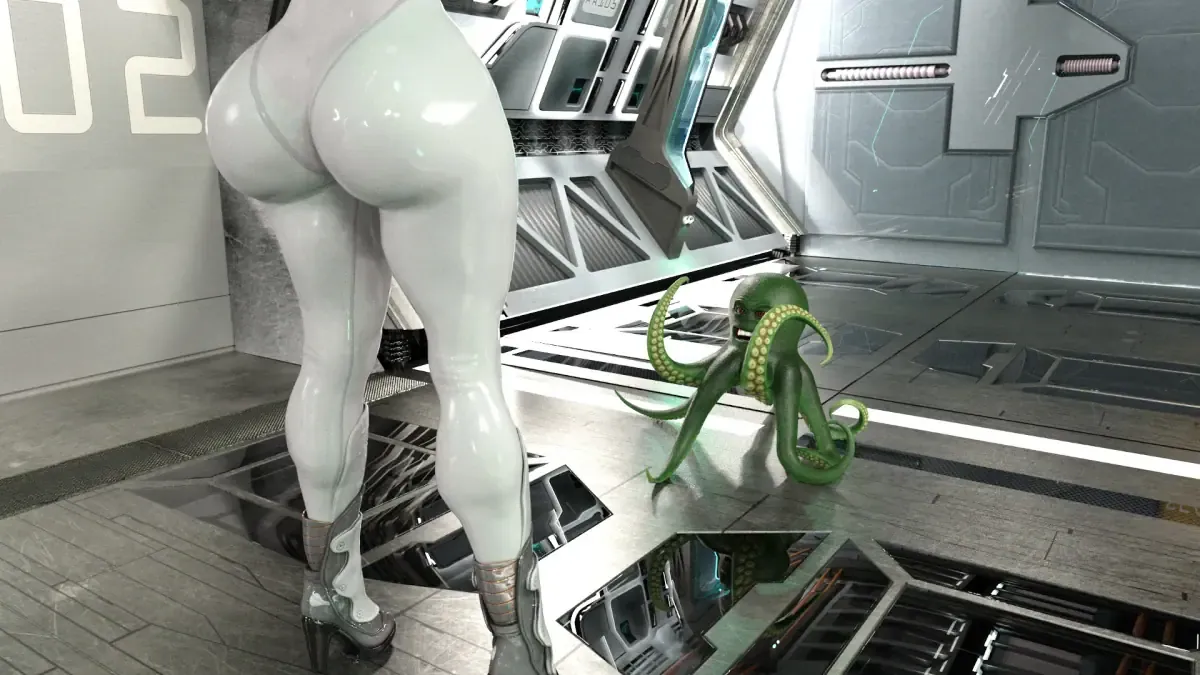
Aperture
Play Aperture
Aperture Screenshots












Aperture review
Explore the immersive world and mechanics of the Aperture game
Aperture is a unique interactive game that combines engaging storytelling with immersive gameplay mechanics. This guide dives deep into everything you need to know about Aperture, from its core features to gameplay strategies. Whether you’re new or looking to enhance your experience, this article covers all essential aspects of the Aperture game to help you fully enjoy its world.
Understanding Aperture: Gameplay and Core Features
Ever clicked on a game and felt instantly transported? Like you’ve tumbled down a rabbit hole into a place that’s equal parts fascinating and unnerving? That was my exact first impression with Aperture 😲. I remember booting it up, expecting just another puzzle title, and within minutes, I was completely absorbed in its eerie, clinical silence, broken only by the hum of machinery and my own growing curiosity. This isn’t just a game; it’s an experience that wraps its unique logic around you from the get-go.
To truly appreciate it, you need a solid Aperture game overview. So, what is it? At its heart, Aperture is a first-person puzzle adventure set within a vast, dormant scientific research facility. The Aperture game setting is its star—a labyrinth of sterile test chambers, abandoned office complexes, and hidden maintenance ducts that feel hauntingly alive despite their desolation. The appeal lies in that atmosphere; it’s a world that tells a story through peeling paint, cryptic announcements, and the ghost of ambition gone terribly right.
What is Aperture? Overview and Setting
The genius of the Aperture game overview is how it builds its narrative. You’re not a superhero; you’re often just a subject, a curious visitor, or a reluctant participant navigating the remains of the Aperture Science Enrichment Center 🏢. The setting is a character in itself—a monument to boundless, unchecked scientific curiosity. One moment you’re solving a clean, clinical test, and the next, you’re shimmying through a behind-the-scenes area cluttered with discarded equipment and the faint echoes of past failures. This contrast creates a powerful sense of place and history.
My most memorable early moment was stumbling upon a hidden observation room overlooking a test chamber. Scribbled notes on a terminal, a half-empty cup of coffee—it suddenly felt less like a game level and more like a real place where people had worked (and arguably, fled). This environmental storytelling is key to the Aperture game setting, making exploration just as rewarding as solving the main puzzles.
Key Gameplay Mechanics Explained
The core of the experience lies in its brilliant Aperture gameplay mechanics. This isn’t about combat or quick reflexes; it’s about observation, physics, and creative problem-solving. The primary tool you’re given is a device that creates two linked portals on flat, white surfaces. This simple concept becomes wonderfully complex.
Navigation is about thinking in non-Euclidean space. Momentum is conserved, so falling into a portal on the floor means shooting out of one on the wall at high speed. I can’t count the times I spent just playing with this, launching myself across rooms to reach a high ledge or to redirect a laser beam. The interactive game features extend to manipulating cubes, dodging energy pellets, and using light bridges. The game teaches you its language slowly, and the “aha!” moments are incredibly satisfying 💡.
Progression is tied directly to mastering these mechanics. Each chamber introduces a new twist or combines elements in a novel way. The Aperture gameplay mechanics shine because they encourage experimentation. There’s often more than one solution, and the game rewards your curiosity. I learned early on to look at every room not for what it was, but for what it could be with the right portal placement.
To break it down, here’s a look at the core systems at play:
| Core Mechanic | Player Action | Primary Purpose |
|---|---|---|
| Portal Creation | Placing two connected portals on specific surfaces. | Redefining spatial paths, transferring objects and momentum. |
| Momentum Conservation | Falling or moving through a portal at speed. | Reaching distant areas, solving kinetic energy puzzles. |
| Object Interaction | Picking up, carrying, and placing weighted cubes. | Activating buttons, blocking hazards, redirecting energy. |
| Environmental Analysis | Observing chamber layout, material types, and element positions. | Planning portal placement and predicting puzzle solutions. |
Character Roles and Player Interaction
While the environment is stark, the Aperture characters provide its personality and dark humor 🎭. You might not see many of them, but you hear them constantly. The most prominent is the guiding, sometimes chilling, voice of the facility’s AI overseer. She’s your instructor, commentator, and occasionally, your only source of (warped) companionship. Her passive-aggressive encouragement and sudden shifts in tone are a masterclass in vocal performance and crucial to the atmosphere.
The Aperture player roles are fascinating. You are largely a silent protagonist, but your role shifts subtly. Are you a obedient test subject? A rebellious intruder? A problem-solver trying to escape? The game lets you define this through your actions. Interacting with the world and the characters isn’t through dialogue trees, but through gameplay. Defying the AI’s instructions, discovering hidden areas, or even just pausing to listen to her monologues—these are your forms of interaction.
Other Aperture characters exist in the periphery through recordings, posters, and the detritus they left behind. You piece together the stories of the scientists and previous subjects, which adds immense depth to the sterile halls. Understanding these Aperture player roles—both yours and those who came before—is key to feeling connected to the world.
How to Play Aperture: Getting Started
So, how to play Aperture effectively? 🎮 First, abandon any rush. This is a game to be savored. Start by playing the introductory chapters slowly. Let the tutorial hold your hand; it’s expertly designed to bake the core physics into your muscle memory. Don’t just solve the puzzle—experiment. See what happens if you portal that energy ball somewhere else, or if you jump from a different angle.
Pro Tip: Look for the white, portal-able surfaces first. They are your canvas. Your entire solution will revolve around them.
Second, listen. The audio cues and the AI’s commentary aren’t just flavor; they often contain subtle hints or foreshadowing. Third, look everywhere. The most rewarding secrets and narrative breadcrumbs are off the beaten path. How to play Aperture is less about following rules and more about learning to see the world through the lens of its own impossible physics.
Finally, embrace the role you choose. Whether you feel like a pawn or a pioneer will shape your experience. The interactive game features and rich Aperture gameplay mechanics are your tools for expression within this strange, compelling world. Dive in, start experimenting, and let the facility’s mysteries unfold around you. You’re in for a brilliantly mind-bending journey.
Aperture offers a compelling blend of interactive storytelling and engaging gameplay that captivates players through its unique mechanics and character dynamics. Whether you’re exploring its world for the first time or seeking to deepen your experience, understanding its core features and gameplay strategies is essential. Dive in and discover what makes Aperture a memorable game experience.